Benjamin Tucker Quotes
Passive resistance and boycotting are now prominent features of every great national movement.
Benjamin Tucker, 1854–1939, Political Philosopher & Individualism Anarchist, Passive Resistance
Sourced by: Eigen's Political and Historical Quotations


At the time the Democratic Politicians of the South went to extremes from refusing to register Black voters to countenancing assault, torture and even murder of Blacks who organized voter registration. When the racists switched to the Republican party, is was Republican politicians who tried to make voter registration and voting more difficult for minorities, but the means and degree of these efforts were very mild compared to what is was when Rustin uttered this quotation.


He had been kidnapped by the coup plotters and transported to Costa Rica. When they took over, he was not allowed back in the country despite objections to the coup by the United States and most other countries of the region. He managed to sneak back into Honduras and led a non-violent protest movement. He was finally restored to the presidency.


He advocated no cooperation with the British Colonial Administration which depended on Indian officials, administrators, clerks and other workers. The boycott strategy never worked in this case, but civil disobedience did. Boycott did work against the apartheid regime in South Africa a half century later however.

This quotation was documented by an FBI illegal wiretap of King and his associates. The illegal wiretap had been insisted upon by FBI Director J. Edgar Hoover who was a racist and somewhat of a paranoid about communists. However, Attorney General, Robert F. Kennedy personally approved the illegal wiretap.
This quotation was documented by an FBI illegal wiretap of King and his associates. The illegal wiretap had been insisted upon by FBI Director J. Edgar Hoover who was a racist and somewhat of a paranoid about communists. However, Attorney General, Robert F. Kennedy personally approved the illegal wiretap.


The rate and intensity of the anti-nuclear power movement in Japan had slowed somewhat from the peak after the meltdown and catatostrope of Fuklishima. Professor Nakano was asked if this meant the end of popular social action regarding nuclear popwer.
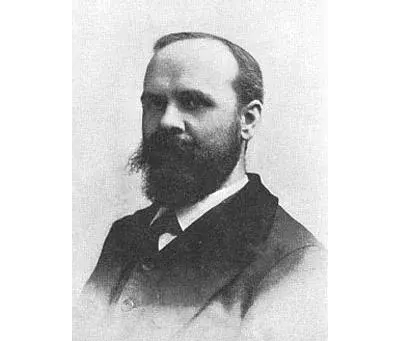
Benjamin Ricketson Tucker was an American anarchist. A 19th-century proponent of individualist anarchism which he called "unterrified Jeffersonianism", Tucker was the editor and publisher of the American individualist anarchist periodical Liberty (1881–1908) as well as a member of the socialist First International.
