Philip Stanhope, 4th Earl of Chesterfield Quotes
One of the greatest difficulties in civil war is, that more art is required to know what should be concealed from our friends, than what ought to be done against our enemies.
Stanhope, Philip Dormer. Letters Written by the Late Right Honourable Philip Dormer Stanhope, Earl of Chesterfield, to His Son, Philip Stanhope, Esq. Vol. 2, J. Dodsley, 1774.


Grant’s overall strategy of attrition of the Southern troops and interdicting supplies and targeting Southern manufacturing and transportation was taking its toll and the Confederates tried a desperate gamble. Robert E. Lee’s tried to attack the Union in the North—Pennsylvania and Maryland threatening Washington and hoping to force the Union to sue for peace. But that left the Eastern part of the Southern heartland relatively undefended. Grant and Sherman, noting the opportunity, then sent Sherman to take Atlanta and destroy all the factories, railroads, and warehouses of food, arms and munitions, then march to the sea and back up the Atlantic Seaboard, freeing slaves and destroying anything and everything that could support an Army and putting enormous pressure on the Southern men fighting with Lee to return home and prevent starvation as there were now few slaves to work the farms. It was the stroke that, as intended, crippled the Confederacy’s ability to wage war. But Grant and Sherman both credited the Southern strategy with opening the opportunity—hence it was the Confederacy that “planned” Sherman’s March. The details of the plan were worked out by Sherman and his staff.

1st Earl of Beaconsfield
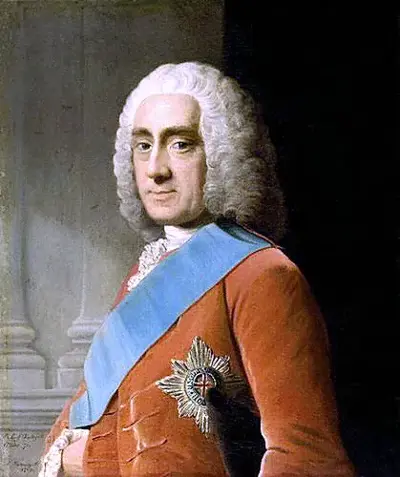
Philip Dormer Stanhope, 4th Earl of Chesterfield, was a British statesman, and a man of letters, and wit. Educated at Trinity Hall, Cambridge, he subsequently embarked on the Grand Tour of the Continent, to complete his education as a nobleman, by exposure to the cultural legacies of Classical antiquity and the Renaissance, and to become acquainted with his aristocratic counterparts and the polite society of Continental Europe.
