Millard Fillmore Quotes
Nations, like individuals in a state of nature, are equal and independent, possessing certain rights and owing certain duties to each other.
Fillmore, Millard. "First Annual Message." 2 Dec. 1850. A Compilation of the Messages and Papers of the Presidents, 1789-1897, edited by James D. Richardson, vol. 5, Government Printing Office, 1897, p. 77.


Those environmentalists who take this view do not give credence to other alternatives. For example, the same argument of environmental decision-making could logically justify one superpower nation taking over the government of all others on the planet for environmental matters. Another possibility is that the existing mechanisms and the UN are sufficient if the major powers reach agreement. Another is that science and technology will provide solutions.


When whites first came to America, the Iroquois, were the most sophisticated Native Americans. They were actually a confederation of 5 different tribes each of which was composed if many clans. Although fierce warriors, they had agreed not to fight each other and to assist if any were attacked. They developed a strong agricultural base, to go with the fishing and hunting, and their confederation were very aggressive and sophisticated traders taking them far from their upstate New York “capitol.” Their governmental structure was quite sophisticated with an elaborate, formal, system of checks and balances, multi-cameral legislatures that recognized numbers of citizens, power and wealth, and even cultural traditions. They were literate, capitalistic and globalistic in that they wanted to trade with all. They had written laws, and women had a role that was unique in world history in that only women owned property in a matrilineal society. Further, it was only the Clan Mothers who voted for the 50 Sachems (~Senators)—but their selections had to be accepted by the people they represented. Ironically the descendants of the Iroquois who remained in New York became a very successful Native American group. In the 2000 census, the average Indian in New York State earned the same income as the average White with no Indian gambling money.


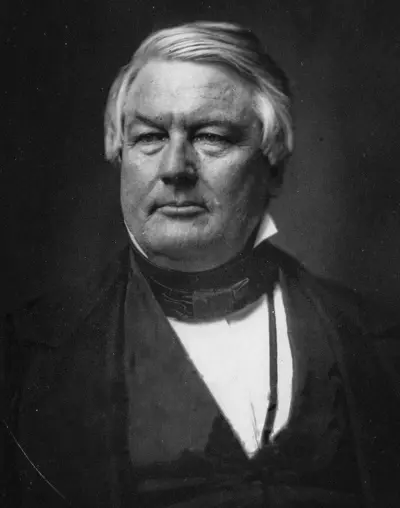
Millard Fillmore was the 13th president of the United States, serving from 1850 to 1853, the last to be a member of the Whig Party while in the White House. A former member of the U.S. House of Representatives from Upstate New York, Fillmore was elected as the 12th U.S. Vice President in 1848, and succeeded to the presidency in July 1850 upon the death of U.S. President Zachary Taylor. Fillmore was instrumental in the passing of the Compromise of 1850, a bargain that led to a brief truce in the battle over the expansion of slavery. He failed to win the Whig nomination for president in 1852 but gained the endorsement of the nativist Know Nothing Party four years later and finished third in the 1856 presidential election.
