Mario Vargas Llosa Quotes
My three years in politics was very instructive about the way in which the appetite for political power can destroy a human mind, destroy principles and values, and transform people into little monsters.
Vargas Llosa, Mario. Interview by Susannah Hunnewell. The Paris Review, no. 120, Fall 1990.


Ideologues and men of strong principles are not open to compromise and often are not persuasive of others. Compromise and persuasion is necessary for success in politics.


Henry Wheeler Shaw 1818-1885


It took until the Presidency of Theodore Roosevelt until monopolies were regulated. Like many of the rapacious businessmen of his era, bribery of public officials was so common that he had no problem admitting this to a reporter who was interviewing him. His father Cornelius, one of the great, creative industrialists of America, was not at all of the same mindset or the same corrupt character and saw corporations and the Railroads as having an important role in America with substantial obligations to the society which enabled the economic development and supported the railroads. He described his son as a “blockhead”. William goes down in American history as the arrogant industrialist and capitalist whose wealth was produced by his talent of being born to the right father who built the great empire. At that time the bribery of members of Congress was direct with cash going directly into their pockets, unlike modern times where it is indirect in the form of Campaign contributions.


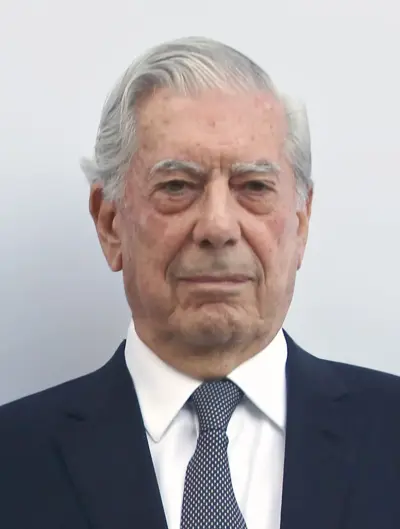
Jorge Mario Pedro Vargas Llosa, 1st Marquis of Vargas Llosa, more commonly known as Mario Vargas Llosa (/ˈvɑːrɡəs ˈjoʊsə/; Spanish: [ˈmaɾjo ˈbaɾɣas ˈʎosa]), is a Peruvian writer, journalist, essayist, college professor, and a former politician. Vargas Llosa is one of Latin America's most significant novelists and essayists, and one of the leading writers of his generation. Some critics consider him to have had a larger international impact and worldwide audience than any other writer of the Latin American Boom. In 2010 he won the Nobel Prize in Literature, "for his cartography of structures of power and his trenchant images of the individual's resistance, revolt, and defeat."
