Walter Lippmann Quotes
Mass opinion has acquired mounting power in this century. It has shown itself to be a dangerous master of decisions when the stakes are life and death.
Walter Lippmann, 1889-1974, Political Columnist, The Public Philosophy
Sourced by: Eigen's Political and Historical Quotations


The State Constitutional ratification convention for Constitutional amendments is

See Otis Singletary for a similar modern view


Statement regarding the situation the Mormons encountered where the majority of the citizens in the areas that they inhabited were not only opposed to Mormonism but felt it moral to attack, harass and even murder Mormons. Because the bigots were in the majority, the politicians and officials were loath to protect the Mormons. In Mormon religious prophesy, before the Second Coming of Christ the Mormons must settle in Zion and the Jews in Israel. So the persecution preventing them from settling in Zion was the work of Satan to prevent Christ’s coming.

This was much more the case in 1840 when this quotation was written. Since then, a much higher proportion of American society has become educated, and the cultures that American immigrants have come from had multiplied. Publications abounded and after radio and television there were more attacks on American majority positions. The major change came with radio call in talk shows, similar TV shows and then the Internet provided a painless way to publicly go against majority opinion. By the first decade of the 21st century, movements of majority rejectionists such as the Tea Party and the Occupy Movement were thriving and “futile contests” received much public attention and showed that there were others with the non-majority views who made it socially acceptable to be outside the norms of the majority.


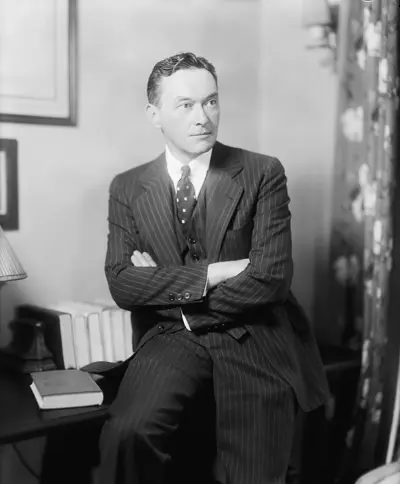
Walter Lippmann was an American writer, reporter and political commentator. With a career spanning 60 years he is famous for being among the first to introduce the concept of Cold War, coining the term "stereotype" in the modern psychological meaning, as well as critiquing media and democracy in his newspaper column and several books, most notably his 1922 book Public Opinion.
