Jacob Riis Quotes
Long ago it was said that 'one half of the world does not know how the other half lives.' That was true then. It did not know because it did not care. The half that was on top cared little for the struggles, and less for the fate, of those who were underneath, so long as it was able to hold them there and keep its own seat.
Riis, Jacob A. How the Other Half Lives: Studies Among the Tenements of New York. Charles Scribner's Sons, 1890, p. 1.


Commenting on the then proposed non-progressive, personal income tax:


The term “rugged individualism” was used at the time be very conservatives and the very wealthy to describe business leladers with words that had very good public connotations. They argued that it would be undesirable to curtail their individualism that was so important by any government regulations or laws that would limit what the business leaders could do. However, the reality was that these very successful and powerful “rugged individualists” had regimented most everyone else—employees, consumers, and small businessmen who might sell them services or products. To Tugwell, if the wealthy and powerful few had no restrictions on their individualism, there would be precious little individualism for most of society. He sought a balance of regulating the individualism and prerogatives of the few somewhat in order to allow the vast majority of people to be able to have individuality as well.


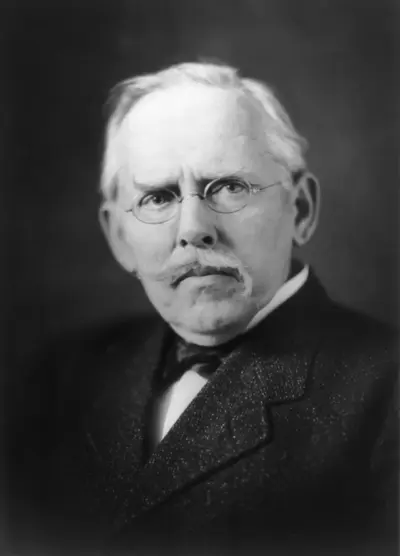
Jacob August Riis (/riːs/; May 3, 1849 – May 26, 1914) was a Danish-American social reformer, "muckraking" journalist and social documentary photographer. He contributed significantly to the cause of urban reform in America at the turn of the twentieth century. He is known for using his photographic and journalistic talents to help the impoverished in New York City; those impoverished New Yorkers were the subject of most of his prolific writings and photography. He endorsed the implementation of "model tenements" in New York with the help of humanitarian Lawrence Veiller. Additionally, as one of the most famous proponents of the newly practicable casual photography, he is considered one of the fathers of photography due to his very early adoption of flash in photography.
