John C. Calhoun Quotes
Liberty Dearer Than Union
Compare Abraham Lincoln's Liberty And Union.
John C. Calhoun, 1782-1850, U. S. Congressman & U. S. Senator, U. S. Secretary of War & U. S. Secretary of State, Vice President of the United States (Democrat, SC), Motto
Sourced by: Eigen's Political and Historical Quotations


Compare John C. Calhoun's Liberty Dearer Than Union.


Most politicians and philosophers would argue that liberty is both an individual right and a group right. However there are money who do not recognize group rights and feel that they are inimical to individual rights.


Madison was defending the proposed Constitution against a vocal minority who complained that the Federal government would be dominant over the States and the large cities. Madison pointed out that it was people who fought the Revolution and sacrificed for it, not States or political entities. The Constitution was to be for the people, not the existing governmental entities. It was for Americans and not for local politicians. The “State’s Rights faction lost the debate, and the Constitution and Bill of Rights was adopted. That is why this quotation is so important. The slavery enthusiasts, racists, and others have constantly tried to diminish the Federal supremacy even to this day.

Crockett and a large group of Tenesseeans all died defending the Alamo for the Liberty and Independence from the Mexican Dictator, Santa Anna.


He persuaded many other rulers to join the Indian Union when India became Independent.


Liberia was founded by freed American slaves.
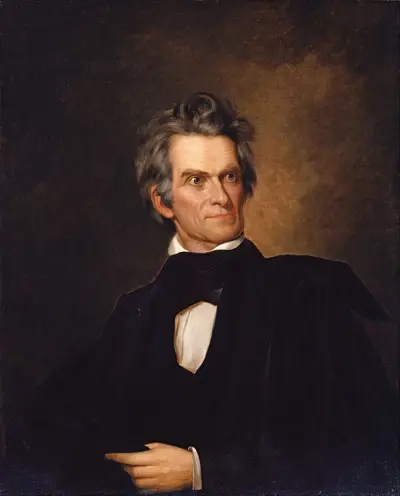
John Caldwell Calhoun was an American politician and political theorist from South Carolina who held many important positions including being the seventh vice president of the United States from 1825 to 1832, while adamantly defending slavery and protecting the interests of the white South when its residents were outnumbered by Northerners. He began his political career as a nationalist, modernizer, and proponent of a strong national government and protective tariffs. In the late 1820s, his views changed radically, and he became a leading proponent of states' rights, limited government, nullification, and opposition to high tariffs. He saw Northern acceptance of those policies as a condition of the South remaining in the Union. His beliefs and warnings heavily influenced the South's secession from the Union in 1860–1861.
