Samuel Adams Quotes
Let us consider, brethren, we are struggling for our best birthrights and inheritance, which being infringed, renders all our blessings precarious in their enjoyments, and, consequently triffling in their value. Let us disappoint the Men who are raising themselves on the ruin of this Country. Let us convince every invader of our freedom, that we will be as free as the constitution our fathers recognized, will justify.
Adams, Samuel. "Valerius Poplicola." Boston Gazette, 5 Oct. 1772. The Writings of Samuel Adams, edited by Harry Alonzo Cushing, vol. 2, G. P. Putnam's Sons, 1906, p. 337.


The Kandahar region of Afghanistan was occupied by the Persians under Gurgin Khan. The Persians at the time were Shiite Muslims while the Afghans were Sunnis. Gurgin Khan forced all the Sunnis to convert to become Shia under threat of death. Mirwais Hotak led a force of freedom fighters, and defeated the Persians, killing Gurgin Khan in the process. There were some Afghan people who by collaborating with the Persians had done very well for themselves. They were anxious about their liberator and some were thinking about sneaking away and joining up with the Persians. He then made this speech, remarkable for any time, and especially so at the early 18th century. Notice, that unlike most other peoples of the Middle East, the Afghan’s placed a high value on freedom, and were willing to fight for it. In that sense, Afghanistan was culturally and politically different from the rest of the Islamic world.

Marion was the initiator of Guerilla Warfare and he and his men traveled lightly spending much time in the South Carolina swamps. They had few supplies and when chased by the British could not stop to hunt. The British called him the “Swamp Fox”. The American colonists at this point still thought of the British as “their countrymen.”


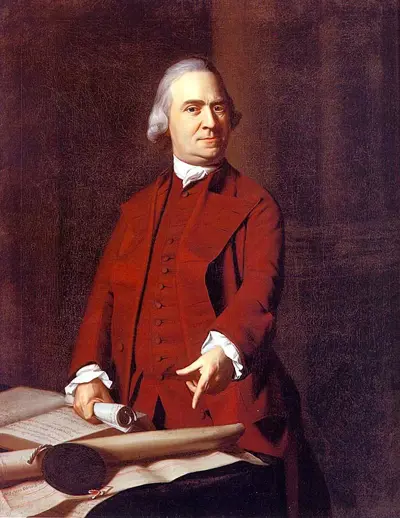
Samuel Adams was an American statesman, political philosopher, and one of the Founding Fathers of the United States. He was a politician in colonial Massachusetts, a leader of the movement that became the American Revolution, and one of the architects of the principles of American republicanism that shaped the political culture of the United States. He was a second cousin to his fellow Founding Father, President John Adams.
