Manu Quotes
Let him not throw urine or feces into the water, nor saliva, nor clothes defiled by impure substances, nor any other impurity, nor blood, nor poisonous things.
Manava Dharma Shastra. This text is a part of the Hindu Holy Texts. Hindus believe that Manu was a prophet whose text is revealed or inspired. This is one of the earlier prescriptions to maintain public health.
Manu, ~ 500 BC, Hindu Teacher from India, Laws of Manu
Sourced by: Eigen's Political and Historical Quotations

The agency was supporting a program to recycle human feces which were treated in communities by sanitizing them and removing most of the water and packaging the dried sludge as a fertilizer for lawns, gardens, parks, and farms. The treated biosolids were marketed under many names such as ComPro, BioEdge, Notrohumus, Vital Cycle, etc. To promote the concept and overcome the bad image of human feces, the agency arranged to have it spread on all the lawns and gardens of the White House. The decided that “poo” and other descriptive nouns would not fit the desired image. See {635106} for their solution.


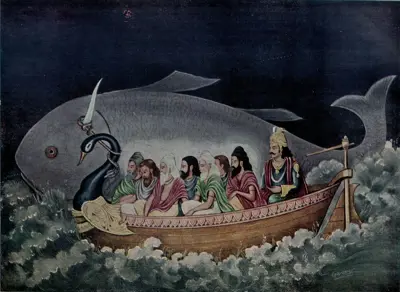
Manu (Sanskrit: मनु) is a term found with various meanings in Hinduism. In early texts, it refers to the archetypal man, or to the first man (progenitor of humanity). The Sanskrit term for 'human', मानव (IAST: mānava) means 'of Manu' or 'children of Manu'. In later texts, Manu is the title or name of fourteen mystical Kshatriya rulers of earth, or alternatively as the head of mythical dynasties that begin with each cyclic kalpa (aeon) when the universe is born anew. The title of the text Manusmriti uses this term as a prefix, but refers to the first Manu – Svayambhuva, the spiritual son of Brahma.
