Sarah Moore Grimke Quotes
It would be as wise to set up an accomplished lawyer to saw wood as a business as to condemn an educated and sensible woman to spend all her time boiling potatoes and patching old garments. Yet this is the lot of many, a one who incessantly stitches and boils and bakes, compelled to thrust back out of sight the aspirations which fill her soul.
Sarah Moore Grimke, 1792-1873, Abolitionist & Feminist, 1852
Sourced by: Eigen's Political and Historical Quotations


Stewart a Black, female journalist wrote at a pre Civil War time when most people were little interested in the writings of either Blacks or women.

He was a major critic of French Quebec Separatism and some elements of French Canadian culture including his perception of sexism. His French Quebec Separatist enemies translated passages of this work into French and (some say deliberately) mistranslated this line to read: Quebec women are sows. The quotation was bandied about Canada in the original version as well as the mistranslation.

Vladimir Lenin


This quotation is an example of how even sophisticated institutions and leaders were plagued by various stereotypes. Dean Sperry as well as many other members of the clergy actually believed that women would not go to divinity school because they were interested in the theology but because they were looking to marry a minister. When the dean told the trustees that he had “no wisdom on this matter” is was one of the great understatements in the history of quotations. What is more ironic is that the Dean was considered very liberal having admitted Catholics, Nazarenes, and Adventists.


Interestingly, at the time females hade just eclipsed males in attendance at Canadian law schools


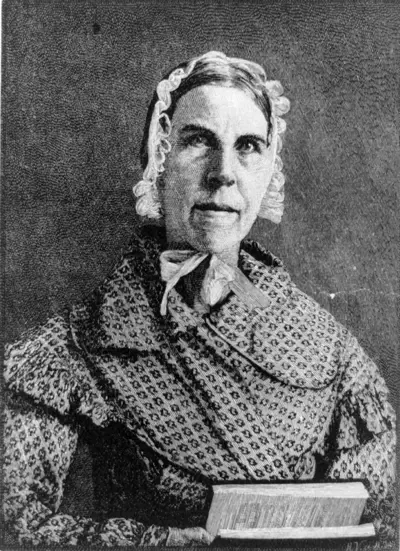
Sarah Moore Grimké was an American abolitionist, widely held to be the mother of the women's suffrage movement.:xxi Born and reared in South Carolina to a prominent, wealthy planter family, she moved to Philadelphia, Pennsylvania, in the 1820s and became a Quaker, as did her younger sister Angelina. The sisters began to speak on the abolitionist lecture circuit, joining a tradition of women who had been speaking in public on political issues since colonial days, including Susanna Wright, Hannah Griffitts, Susan B. Anthony, Elizabeth Cady Stanton, and Anna Dickinson. They recounted their knowledge of slavery firsthand, urged abolition, and also became activists for women's rights.
