Peter Kreeft Quotes
It was a very stupid mistake to think you could deal with heresy by burning heretics. It's the very same mistake that modernist Catholics are making today in reverse. They think you can love heretics by loving heresies.
Kreeft, Peter. Catholic Christianity: A Complete Catechism of Catholic Beliefs Based on the Catechism of the Catholic Church. Ignatius Press, 2001.

This began the Church's most notorious attack on any dissent or disagreement and it was the start of the Inquisition.

This was the beginning of the inquisition.

Official List of groups which were prohibited from religiously criticizing the Catholic Church—the established church of Maryland. One interesting observation is that the Jesuits—a Catholic order were on this list. Catholic orders did not then subject their representatives to the authority of the local bishops and took direction only from the Pope. In the case of the Jesuits at the time, there were many who believed the Jesuits were beyond the de facto control of the Papacy and some Jesuits thought they should be—thus the two designations of Jesuits. This makes clear the fundamental intolerance that was common on many parts of Colonial America, that criticism of and heresy to the Established Church was not to be permitted. To the orthodox Catholics of Maryland, they were as concerned with the potential criticisms of Catholic Jesuits as they were with those of Puritans or Anabaptists. Compare Maryland, a Catholic colony with a huge antipathy towards Puritans, with Massachusetts, a Puritan Colony, and its strong antipathy and intolerance for Catholics. It is almost impossible to imagine a union of the American colonies without a 1st Amendment.

While Aquinas brought much wisdom and good to the Church, this statement and others laid a foundation for murdering non-believers and organizing the Inquisition.


Giovanni Battista Cibo. This was quoted in the Malleus Maleficarum, the man legal handbook used for centuries for the discovery and punishment of witches.


The King, a religious exremist fanatic, was a great supporter of the Inquisition whose excesses were horrible during his reign.


Michael Servetus, 1511-1553, a Spanish theologian, was tried and burned at the stake in Switzerland. John Calvin drew up the charges and pronounced the sentence. However his ill health prevented him from personally officially reading the charges. De la Fontaine did it in his stead. Most people are familiar with the charges of questioning the doctrine of the Trinity. However, before those there were a series of more civilly oriented charges of which sever are given herein. Note the emphasis on his book. It was found do offensive that it was burned along with Servetus. See related quote.


The origins of the extreme religious intolerance of Spain occurred centuries before the excesses of the Spanish Inquisition. Before the Conference the Visigoths and their king had been converted to Christianity but not all cared for the new religion.

As a result of Henry VIII establishing himself as the head of the Church in England and Ireland in place of the Pope, Henry’s heirs also became head of the Church. And that was the role that Queen Elisabeth had inherited in addition to the Crown. Many of those loyal to the Pope found most offensive the fact that a woman was making decisions for men and women on matters of faith. A Papal representative travelled with FitzGerald and probably helped him compose this document of which this is but 2 sentences. He may have drafted it completely. The Pope was a factor in many of the Irish rebellions against the English, and this caused great suspicion of all English Catholics whose loyalty to the Queen was in conflict with their loyalty to the Pope who was plotting for a Catholic takeover of England and Ireland.


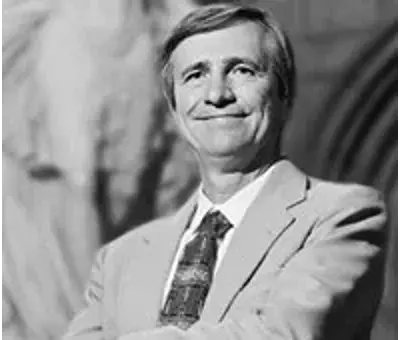
Peter John Kreeft (/kreɪft/; born 1937) is a professor of philosophy at Boston College and The King's College. A convert to Roman Catholicism, he is the author of over eighty books on Christian philosophy, theology and apologetics. He also formulated, together with Ronald K. Tacelli, "Twenty Arguments for the Existence of God".
