William Graham Sumner Quotes
It is the tendency of the social burdens to crush out the middle class, and to force society into an organization of only two classes, one at each social extreme.
Sumner, William Graham. What Social Classes Owe to Each Other. Harper & Brothers, 1883, p. 43.

This was the prevailing view in Europe at the time; it was less so in the United States, where there were so many people who owned their own land and farmed it or developed manufacturing facilities and hence were the mind AND the limbs of the enterprises. However, the upper classes tended to agree with the European view. The difference between the American and European views was one of class mobility. In America “limbs” who demonstrated capacities of “mind” were much more able to advance in America. However, even into the 21st century here was a general feeling of the upper class that the “minds” made the critical and impactful decisions. This is one of the reasons that executive and CEO pay advanced so rapidly when compared with workers (the “linbs”).


Buffet was the 2nd richest man in America and had been the beneficiary of the George W. Bush tax cuts for the wealthy and had profited from a strong economy but one which found middle class workers actually earning less each year.


Describing the annual conference in Davos, Switzerland where the very wealthy of the world gather and discuss mutual concerns.


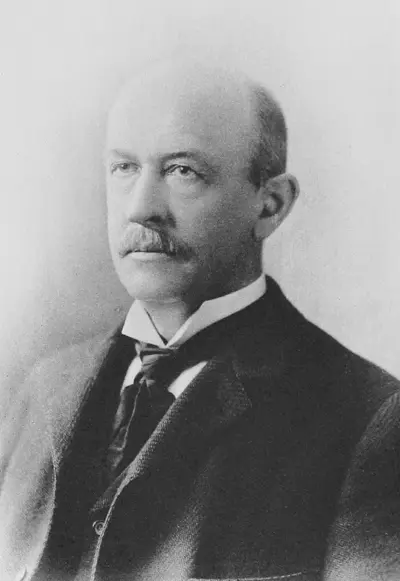
William Graham Sumner was a classical liberal American social scientist. He taught social sciences at Yale, where he held the nation's first professorship in sociology. He was one of the most influential teachers at Yale or any other major school. Sumner wrote widely within the social sciences, with numerous books and essays on American history, economic history, political theory, sociology, and anthropology. He supported laissez-faire economics, free markets, and the gold standard. He adopted the term "ethnocentrism" to identify the roots of imperialism, which he strongly opposed, and as a spokesman against it he was in favor of the "forgotten man" of the middle class, a term he coined. He had a long-term influence on conservatism in the United States.
