Benjamin Tucker Quotes
It is not competition, but monopoly, that deprives labor of its product. Destroy the banking monopoly, establish freedom in finance, and down will go interest on money through the beneficent influence of competition. Capital will be set free, business will flourish, new enterprises will start, labor will be in demand, and gradually the wages of labor will rise to a level with its product.
Tucker, Benjamin R. Instead of a Book, by a Man Too Busy to Write One. New York: Benj. R. Tucker, Publisher, 1893, p. 11.


The “bread box” was a metal box used in most homes to keep bread fresh before refrigerators were so large and prevalent.


The 1934 midterm elections had provided the Roosevelt administration with a Congress eager for reform.

The minister was the leader of a sect that had emigrated from Germany to the new colony of George where slavery had been banned but wealthy planters were pointing to South Carolina north of them where slavery was producing riches for the slave owners and asking the Trustees back in England to allow slavery as they were at a competitive disadvantage. Oglethorpe, the leader of the community argued against slavery and was joined by other community leaders including Reverend Boltzius, The argued that slavery would curtail the opportunity for common white men. In this quote Boltzius pointed to Charlestown South Carolina to show the effect that slavery produced there. The wages for slaves, were wages paid to the slave’s owner. While plantation slavery was the most common form of slavery, but many slave owners without large plantations simply rented out his slaves. In some cases, the slaves were taught trades like carpentry so the owner could receive ore for his work. But the system allowed the slave owner to undercut the market, and all a white worker could make was the wage that slave owners were demanding for slave labor.


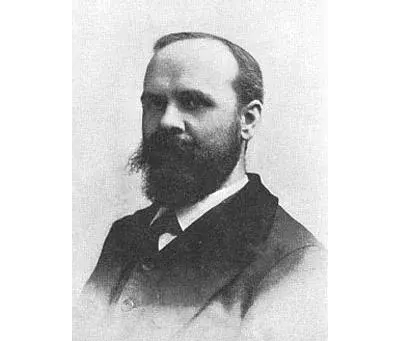
Benjamin Ricketson Tucker was an American anarchist. A 19th-century proponent of individualist anarchism which he called "unterrified Jeffersonianism", Tucker was the editor and publisher of the American individualist anarchist periodical Liberty (1881–1908) as well as a member of the socialist First International.
