George Mason Quotes
It is contrary to the principles of reason and justice that any should be compelled to contribute to the maintenance of a church with which their consciences will not permit them to join, and from which they can derive no benefit; for remedy whereof, and that equal liberty as well religious as civil, may be universally extended to all the good people of this commonwealth.
Mason, George. The Papers of George Mason, 1725-1792, edited by Robert A. Rutland, vol. 1, University of North Carolina Press, 1970.


John Witherspoon, a Presbyterian minister with evangelical sympathies, was one of the signers of the Declaration of Independence.


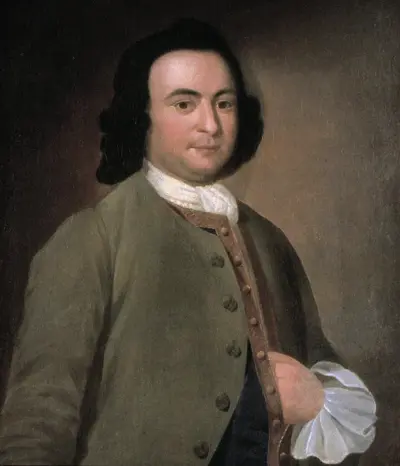
George Mason IV was an American planter, politician and delegate to the U.S. Constitutional Convention of 1787, one of three delegates who refused to sign the Constitution. His writings, including substantial portions of the Fairfax Resolves of 1774, the Virginia Declaration of Rights of 1776, and his Objections to this Constitution of Government (1787) opposing ratification, have exercised a significant influence on American political thought and events. The Virginia Declaration of Rights, which Mason principally authored, served as a basis for the United States Bill of Rights, a document of which he has been deemed a father.
