James L. Petigru Quotes
It does not, surely, require such torrents of blood to satisfy any reasonable man that nothing can be a more impious presumption than for either side to think themselves entitled to count the Almighty as an ally in such a pitiful display of human passion.
Carson, James Petigru. Life, Letters and Speeches of James Louis Petigru: The Union Man of South Carolina. W. H. Lowdermilk & Co., 1920.


The Bull was directed at French King Louis VII. On Christmas Eve the year before Zengi had broken into the city of Edessa and massacred the French inhabitants. This was the Proclamation of the start of the 2nd Crusade. Note that the Pope, in order to raise troops and money for the Crusades, used the remission of previous sins to motivate Pietro dei Paganelli di Montemagno


Burke did not mean that it was a war between Protestants and Catholics. In his time religious war was considered the most terrible of wars because there were virtually non-negotiable principles involved and the passions were so great. The emotional fervor of the French after the French Revolution was extreme in that they were bringing freedom to Europe.


The juxtaposition of scenes of murder and brutality together with God and holy purposes seems foreign to us today. It is extant among some Islamic groups who exult in similar scenes while calling to God. This “barbarity” is historically not just Islamic but was typical of Christians as well. Beheading was common in the Crusades, and it is still popular among some of the Islamic extremists who look to the “old days” as a model for them today.


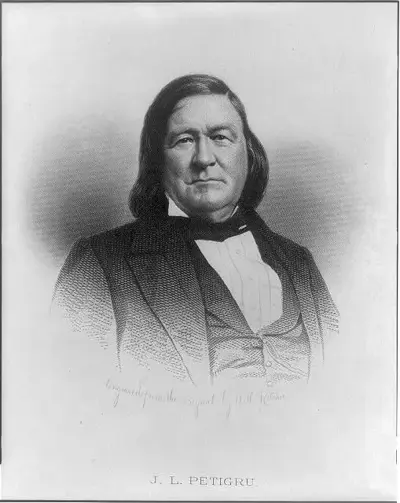
James Louis Petigru was an American lawyer, politician, and jurist in South Carolina. He is best known for his service as the Attorney General of South Carolina, his juridical work that played a key role in the recodification of the state's law code. He was also known for opposing nullification and, in 1860, state secession.
