David Graeber Quotes
It affects every aspect of our lives, is often said to be the root of all evil, and the analysis of the world that it makes possible - what we call 'the economy' - is so important to us that economists have become the high priests of our society. Yet, oddly, there is absolutely no consensus among economists about what money really is.
Graeber, David. Debt: The First 5,000 Years. Melville House, 2011, p. 21.


There has always been a fear of inflation and currency debasement by governments. Since ancient times, rulers issued coins and when they were made of cheap metals like copper or iron, the ruler could mint as much as he wanted and when he did so the value went down. By using only precious metals, gold and silver, for coins, there would be a natural restraint on government. Garfield was one of those who believed that we should always have money of gold and silver. The United States would use that principle for the next century even backing its paper money with gold and silver. In the Nixon administration the United States abandoned the gold standard. Today, it is the ability of a country to produce things that maintains value of paper money which has been supplanted in many cases by electronic money.

The exact phrase has not been found in Gresham's writings but the idea appeared in a 1558 letter to Queen Elizabeth I. The expression has come to be known as Gresham's Law.


The very act of printing money created a debt—at the time and until the Nixon Administration which went off the gold standard—the government owed the gold or silver and the spicie—the printed money—was a promissory note.


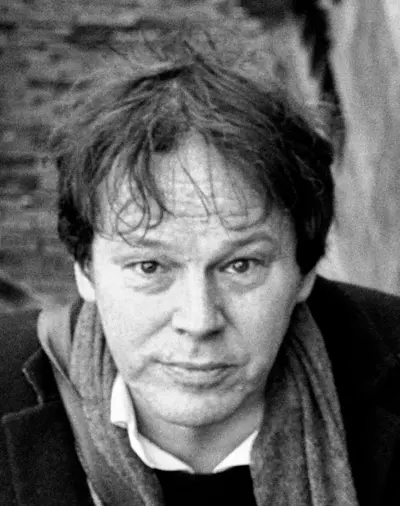
David Rolfe Graeber was an American anthropologist and anarchist activist. His influential work in economic anthropology, particularly his books Debt: The First 5000 Years (2011) and Bullshit Jobs (2018), and his leading role in the Occupy movement, earned him recognition as one of the foremost anthropologists and left-wing thinkers of his time.
