Yusuf Al-Qaradawi Quotes
Islam calls for democracy and grants people the right to choose their governor.
This quotation of a very popular Muslim cleric illustrates the wide range of political views of Islamic leaders and authorities. Whereas most shun democracy as placing public opinion over the word of God, there are many like al-Qaradawi who have a modernist interpretation of Islam.
Yusuf al-Qaradawi, Egyptian Islamic Preacher, Televangelist & Law Expert (Mufti), Statement on his website, islamonline.net, June 6, 2007
Sourced by: Eigen's Political and Historical Quotations


Arias abolished the army in Costa Rica.

This quotation of a very popular Muslim cleric illustrates the wide range of political views of Islamic leaders and authorities. Whereas most shun democracy as placing public opinion over the word of God, there are many like al-Qaradawi who have a modernist interpretation of Islam.
While the author represents the views of most Islamic Fundamentalists, a similar view is held by many ulta-orthodox Jews and fundamentalist Christians also.


While this has been one of the great American principles of political philosophy, in reality we have on many occasions interfered when a people chose an enemy of the United States or made a choice of a government which would seize power and not allow any further free choices. However, from the time JFK made this statement to today, our foreign policy record has become much better on implementing this principle.


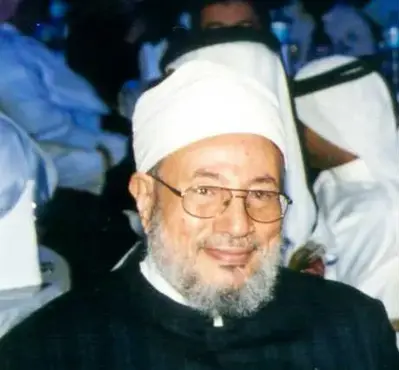
Yusuf al-Qaradawi is an Egyptian Islamic scholar based in Doha, Qatar, and chairman of the International Union of Muslim Scholars. His influences include Hassan al-Banna, Abul A'la Maududi and Naeem Siddiqui. He is best known for his programme al-Sharīʿa wa al-Ḥayāh ("Sharia and Life"), broadcast on Al Jazeera, which has an estimated audience of 40–60 million worldwide. He is also known for IslamOnline, a website he helped to found in 1997 and for which he serves as chief religious scholar.
