Robert Zubrin Quotes
Ireland never lacked the capacity to feed its people. During the entire 'great famine,' the island continued to produce massive amounts of beef and grain. The Irish just couldn't afford to buy any of it due to the enforcement of rack-renting, high taxation, and suppression of manufactures.
Zubrin, Robert. Merchants of Despair: Radical Environmentalists, Criminal Pseudo-Scientists, and the Fatal Cult of Antihumanism. Encounter Books, 2012.

Executed by the English for his part in the Easter Uprising.

This fiery statement got Mitchel sent to a penal colony in Australia from which he escaped and came to the United State. It was essentially true. Despite the potato famine in much of Ireland, there was a constant supply of different foods exported from Ireland to England. There were many ways that they Irish could have had food, but they all required some money and there was a massive depression with many Irish out of work and also unable to grow potatoes. The “political philosophy” of the English rulers of Ireland however precluded any kind of welfare, relief or food assistance—see {636214}.


Many of the Americans captured by the Islamic Barbary pirates in the years leading up to the Barbary War were sold into slavery. Eaton, who was the American consul at Tunis, couldn’t help but notice the tragic parallel between the suffering of those captured by the pirates and slaves in the American South.


1st Earl of Beaconsfield


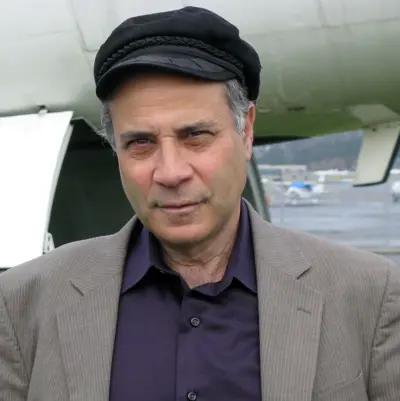
Robert Zubrin is an American aerospace engineer, author, and advocate for human exploration of Mars. He and his colleague at Martin Marietta, David Baker, were the driving force behind Mars Direct, a proposal in a 1990 research paper intended to produce significant reductions in the cost and complexity of such a mission. The key idea was to use the Martian atmosphere to produce oxygen, water, and rocket propellant for the surface stay and return journey. A modified version of the plan was subsequently adopted by NASA as their "design reference mission". He questions the delay and cost-to-benefit ratio of first establishing a base or outpost on an asteroid or another Apollo program-like return to the Moon, as neither would be able to provide all of its own oxygen, water, or energy; these resources are producible on Mars, and he expects people would be there thereafter.
