Chester A. Crocker Quotes
International negotiation has a nasty tendency to remind its practitioners that the laws of gravity affect them, too, and that international life is a two-way street in which one may have to give in order to get.
Chester A. Crocker, U. S. Assistant Secretary of State, “The Art of Peace: Bringing Diplomacy Back to Washington”, Foreign Affairs, July/August 2007
Sourced by: Eigen's Political and Historical Quotations

In dos nations there are people who will reject any negotiated deal in which they do not get everything that they want. Some even will characterize the deal as a sellout or treason. But to be successful the diplomats from both sides must feel that they have gotten enough so that they can persuade their countrymen and political authorities that the nation has gotten enough to make the deal worth while.


This quotation is surprising in that Mrs. Roosevelt was a leading liberal and one of the leading advocates for peace. This quotation might have been authored by a right wing conservative of the early 21st century.


The President was spending all day and most of the evening with Japanese and Russian negotiators. He was trying to mediate an end to the Russo-Japanese War. Despite all the difficulties, Roosevelt found a new skill of personal international diplomacy. The war seemed intractable, but Roosevelt was able to get a peace treaty signed for which he was awarded the Nobel Peace Prize. It is doubtful that any modern president could spend so much concentrated time on an issue that was really not in the national interest of the United States. However, Roosevelt’s time and effort investment paid off in that by settling that dispute and getting nothing out of it for America or American business, the United States was in world opinion, elevated to a new status of fair, impartial and non-selfish international activity—a model that despite some lapses in later years, the United States has been unique.


When there is a serious problem with another country and it appears that military force may have to be used, he and most sophisticated policy makers argue that we should always try diplomacy first. If that does not work, then the military option is still open. If it does work, war or other military action is always available as an option. When politicians do not want to try diplomacy, it is usually that they have an ulterior motive for war and/or military force. Some urge caution with this principle in all cases as sometimes it gives the enemy time to regroup and rearm and he gets stronger by stringing out the negotiations with no intention of a diplomatic solution. In some other cases, as Iran in the second decade of the 21st century when they were suspected of developing a nuclear weapon. The Israeli right wing and some American conservatives wanted no delay in use of military force as that might allow the Iranians to complete an operational message. President Obama and most Americans favored strong economic sanctions with diplomacy first.
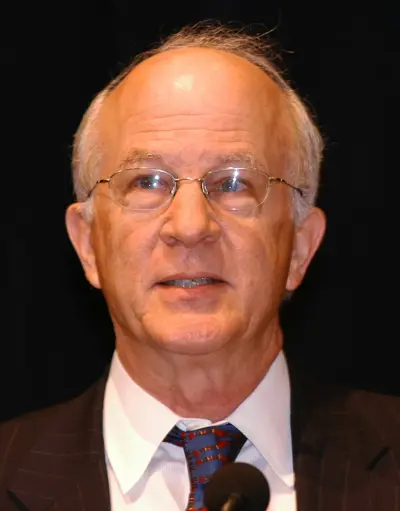
Chester Arthur Crocker is an American diplomat and scholar who served as Assistant Secretary of State for African Affairs from June 9, 1981, to April 21, 1989, in the Reagan administration. Crocker, architect of the U.S. policy of "constructive engagement" towards Southern Africa including apartheid-era South Africa, is credited with setting the terms of Namibian independence.
