Eugene Ionesco Quotes
In the name of religion, one tortures, persecutes, builds pyres. In the guise of ideologies, one massacres, tortures and kills. In the name of justice one punishes...in the name of love of one's country or of one's race hates other countries, despises them, massacres them. In the name of equality and brotherhood there is suppression and torture. There is nothing in common between the means and the end, the means go far beyond the end...ideologies and religion... are the alibis of the means.
Ionesco, Eugène. Present Past, Past Present: A Personal Memoir. Translated by Helen R. Lane, Grove Press, 1971.

This famous quotation, from this important address, at such a critical time in history has been admired for years. Despite his great oratory, the next months were to see almost 2 million Indians of all faiths killed in what was probably the worst internecine violence in human history. Ironically, the politically motivated terrorism had stopped since all the decisions had been made. The motivation for the frightful atrocities that took place from then on was vengeance and fear of more vengeance." 1st Earl Mountbatten of Burma


In the early stages of Islam, Muhammad had hoped to convert the Jews and others on the Arabian Peninsula. When they refused to be converted, he warred against them usually killing the men, and taking the women and children as slaves. The result was that non-believing tribes were “cleansed” from the Arabian Peninsula. The Muslims at the time preferred children as slaves. For then they could convert the children against their will. Adults in Islam must accept Islam in order to convert. Children are regarded as having no such maturity of decision making and therefore opposition to conversion may be ignored and they may be forced. Critics of Islam and those who argue that Islam is at odds with all other religions point to this quotation. They claim that it is the only religion whose founder and fundamental scriptures demand war against others for no other reason than that they believe in a different religion. The Catholic Church during the Crusades and the Inquisition had a similar philosophy as did Christian missionaries colonizing Africa later. One difference is that most Christians today repudiate the doctrine as against the true spirit and teachings of Christ and view it as historical error, while very few modern Muslims repudiate this quotation of the Prophet.


Most people are familiar with the people are familiar with the terrible persecution of the Jews in Spain by the Christians. Although there were a few examples of tolerance to Jews by Muslims when they controlled Spain and instances like modern Turkey. Generally however there is and has been Islamic persecution of Jews, Christians, and other non Muslims in almost all nations where Muslims have been in control. Until the Enlightenment, Christian persecution of other religions was just as bad if not worse.

Ingersoll was considered to be the greatest orator and political thinker of his day, but his overt atheistic views curtailed his elected political career.
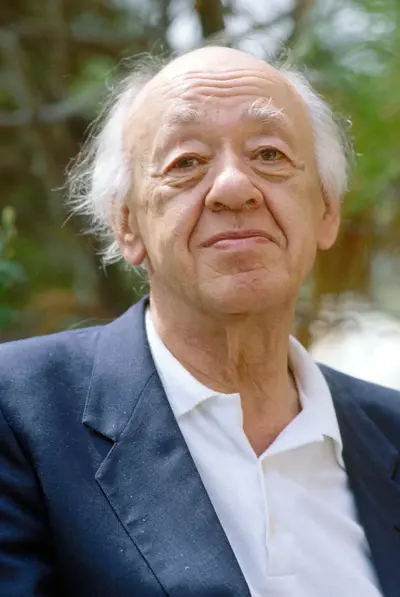
Eugène Ionesco was a Romanian-French playwright who wrote mostly in French, and one of the foremost figures of the French avant-garde theatre. Beyond ridiculing the most banal situations, Ionesco's plays depict the solitude and insignificance of human existence in a tangible way.
