Suzanne Collins Quotes
In 'The Hunger Games,' in most people's idea, in terms of rebellion or a civil-war situation, that would meet the criteria for a necessary war. These people are oppressed, their children are being taken off and put in gladiator games. They're impoverished, they're starving, they're brutalized.
Collins, Suzanne. Interview by David Levithan. "Suzanne Collins Talks About 'The Hunger Games,' the Books and the Movies." The New York Times, 18 Oct. 2018.

The Whites were the old nobility and conservatives who, after the Czar had been deposed, fought a civil war for control of Russia against the Reds—the Bolsheviks. The Whites were allied with the Cossacks, a particularly vicious, and cruel groups of traditional cavalry who previously had done much of the Czar’s dirty work. They were responsible for most of the Anti-Semitic pogroms, and their affiliation with the Whites pushed most Jewish Russians to the Reds.


In 1775 Brown University decided to forgo the usual public Commencement and celebration due to:


Indeed, he was wrong in the sense that the Southern whites did NOT even obey the letter of the law. The Klu Klux Klan and the rest of Southern Jim Crow terrorism broke the laws of the states and local communities as well as Federal law but they did so with impunity. Andrews recognized the problem but never suspected that it would be as bad as it got with public torture and lynching commonplace and approved by most white Southerners.


Samuel Langhorne Clemens, 1835-1910

He did previous research on the operators and their most visible factors of great wealth.


This speech was officially prepared and read to the six Indian tribes of the Iroquois Nation. The purpose was to persuade the Iroquois Indians to stay neutral (see {583726}) in the coming conflict with England. The Iroquois had traditionally traded peaceably with the colonists and on many occasions the colonists and the Iroquois had fought against the French and other Indians. Unfortunately, a Mohawk chief, Joseph Brant, had traveled to England and been educated there. He, following the conventional wisdom of the day persuaded most of the Iroquois tribes to join the obvious winner—England—and fight on their side. Only the Oneida tribe resisted Brant’s advice, and joined the revolutionists. The result was a civil, fratricidal war of not only white, but also the Iroquois Indians who had been at peace with each other since any could remember. When the colonists won, the Oneida were warmly embraced and participated in New York and other colonial life and activities. The relationship was so good that a little over 200 years later the average earnings of the Indian in New York State exceeded that of the average white man. The other 5 Iroquois tribes however were attacked and driven out of their traditional territories and they fled with Joseph Brant to English Canada where they have not yet fully recovered their important place in the society.

The nobles of the city were in rebellion and fought the English Prince of Wales. When the city was taken, the poor people as well as the nobles were executed for their part in the “rebellion.” However, the poor had no say in the matter, and it was not they who ordered the city gates shut and decided to undergo a siege, which in this case was not successful. Limoges was a heavily walled city, well provisioned for a siege, but the English had miners who undermined part of the city walls and crashed them into the moat and allowed the English to walk in easily.

China, after overthrowing the Manchu Dynasty was struggling among many factions for control of the government.

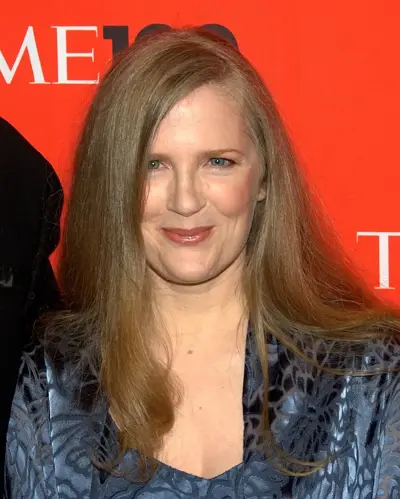
Suzanne Collins is an American television writer and author. She is known as the author of The New York Times best-selling series The Underland Chronicles and The Hunger Games.
