Jean Froissart Quotes
There was no pity take of the poor people, who wrought never no manner of treason, yet they bought it dearer than the great personages, such as had done the evil and trespass
The nobles of the city were in rebellion and fought the English Prince of Wales. When the city was taken, the poor people as well as the nobles were executed for their part in the “rebellion.” However, the poor had no say in the matter, and it was not they who ordered the city gates shut and decided to undergo a siege, which in this case was not successful. Limoges was a heavily walled city, well provisioned for a siege, but the English had miners who undermined part of the city walls and crashed them into the moat and allowed the English to walk in easily.
Jean Froissart, ~1337-?, French Historian, Description of the Massacre of the People of Limoges, Chronicale On The Hundred Years War (1337-1453)
Sourced by: Eigen's Political and Historical Quotations


Jacques Anatole Francois Thibault


Indian and Black slaves were outlawed very early in Connecticut, not on moral grounds of concern for the Indians and Blacks, but because of the negative effects on the white poor. Why would anyone pay the poor any more than the amortization costs of a slave? Therefore there was no way a poor white could make a living wage if slavery were to coexist.


Salisbury was a brilliant, effective prime minister, but he was a snob and not a democrat. See {639131}.

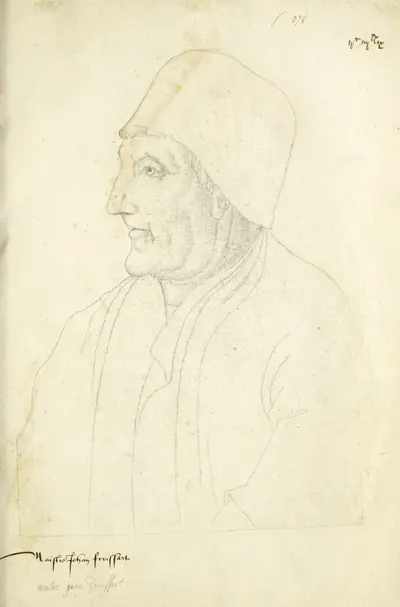
Jean Froissart (Old and Middle French: Jehan, c. 1337 – c. 1405) was a French-speaking medieval author and court historian from the Low Countries who wrote several works, including Chronicles and Meliador, a long Arthurian romance, and a large body of poetry, both short lyrical forms, as well as longer narrative poems. For centuries, Froissart's Chronicles have been recognised as the chief expression of the chivalric revival of the 14th century kingdoms of England, France and Scotland. His history is also an important source for the first half of the Hundred Years' War.
