Martin Luther King Jr. Quotes
In the event of a violent revolution, we would be sorely outnumbered. And when it was all over, the Negro would face the same unchanged conditions, the same squalor and deprivation-the only difference being that his bitterness would be even more intense, his disenchantment even more abject. Thus, in purely practical as well as moral terms, the American Negro has no rational alternative to nonviolence.
King, Martin Luther, Jr. Where Do We Go from Here: Chaos or Community? Harper & Row, 1967, p. 130.


At the time, there was not only racial discrimination, especially in the South, but lynching—the relatively public and open killing of Blacks and other forms of racial violence were commonplace in Southern America. Truman, himself a Southerner, was considered a traitor by many Southerners because he tried to deal with the Civil Rights problem more vigorously than any previous president. The Democratic Party had “the solid South”—political control of the Southern States and there was an unwritten rule that the Party positions and leaders would not push Civil Rights and would support States rights in law enforcement. The Republicans, in the Lincoln tradition, fought hard for Civil Rights enforcement but were the minority. Truman integrated the armed forces and did what he could do via Executive Orders but could not get any laws through the Congress. When LBJ pushed the Civil Rights Bill through Congress, Southerners became Republicans and the South was solidly in the Republican camp.
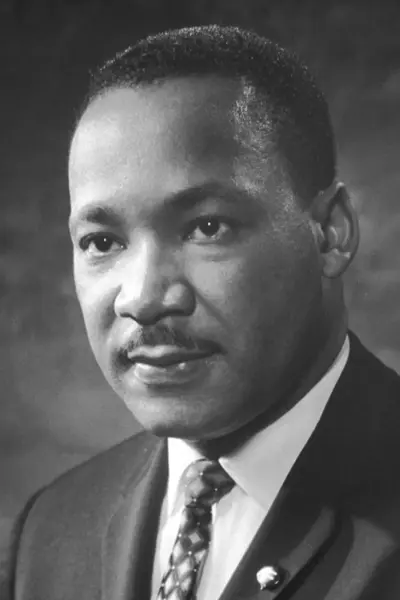
Martin Luther King Jr. was an African American Baptist minister and activist who became the most visible spokesperson and leader in the American civil rights movement from 1955 until his assassination in 1968. King advanced civil rights through nonviolence and civil disobedience, inspired by his Christian beliefs and the nonviolent activism of Mahatma Gandhi. He was the son of early civil rights activist Martin Luther King Sr.
