Edward Grey Quotes
In old days nations could collect only portions of their men and resources at a time and dribble them out by degrees. Under modern conditions whole nations could be mobilized at once and their whole life-blood and resources poured out in a torrent. Instead of a few hundreds of thousands of men meeting each other in war, millions would now meet, and modern weapons would multiply manifold the power of destruction. The financial strain and the expenditure of wealth would be incredible. I thought this must be obvious to everyone else, as it seemed obvious to me ; and that, if once it became apparent that we were on the edge, all the Great Powers would call a halt and recoil from the abyss.
He was writing about the impending First World War.
Edward Grey [Viscount Fallodon], 1862-1933, British Foreign Secretary (Liberal), Entry in his notes, July 1914
Sourced by: Eigen's Political and Historical Quotations


He was warning the majority and blaming them for what was to happen. Ironically, at the end of the First World War, Germany was so harshly treated because the allies felt that the Germans had been aforewarned not only by others but by opposition Germans as well.

There was a significant opposition in England who opposed the war against the rebellious colonies. Fox was one of the most outspoken who thought that England would not win.

There were some British politicians who had considered the possibility of supporting the South in the Civil War to assure their supply of cheap cotton. Entering the war by allying with the Confederacy was also a possibility. Lincoln used this phrase and instructed Adams to use that with the British politicians as the result if England get involved with the American Civil war. It is the closest phrase to “World War” until WWI.


1st Viscount Grey of Fallodon. The first published version of this prescient quotation appeared.


The first Bishop in Britain, sent by Pope Gregory in 597. This was in large part fulfilled in 607 when Ethelfrith led Saxon troops to Wales killing many including 200 priests who had been sent to pray for the Welsh.


While Queen Mary was presenting medals to British soldiers during World War I, she said this to a soldier who had exclaimed “No more bloody wars for me”.

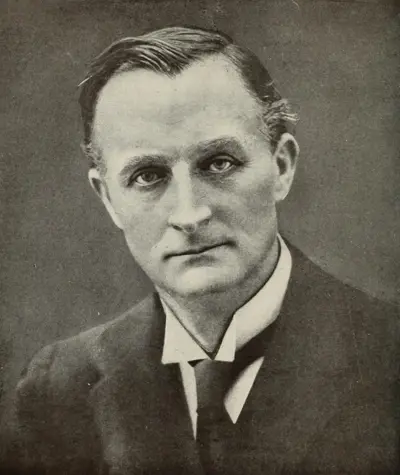
Edward Grey, 1st Viscount Grey of Fallodon, KG, PC, DL, FZS, better known as Sir Edward Grey, was a British Liberal statesman and the main force behind British foreign policy in the era of the First World War.
