Tim O'Brien Quotes
In books or films, it is desirable to have a climactic battle scene, but the world does not operate in those gross dramatic terms. In Vietnam, there was a general aimlessness, not just in the physical sense, but beyond that in the moral and ethical sense.


Prior to this the Japanese had not even considered what terms they might fight for if there were to be a peace negotiation. What the Japanese leadership apparently totally missed was the fact that President Roosevelt and all other American leaders throughout the war had promised that only unconditional surrender would be acceptable. This was reiterated in a Joint Declaration of the U. S. , China, and Great Britain. The Japanese thought this just propaganda and never took it seriously.

Ikle wrote this over a decade before both the military and civilian leaders fell into this trap in the 1994 Iraq War.


Ventura had been a Navy SEAL.

The General had differed with the George W. Bush Administration neoconservatives over the strategy regarding the invasion and war in Iraq. He was pushed out of office as a result. Later, it was clear that he was right originally, and the press, some members of Congress and others wanted him to comment. He refused.

While the point he is making has validity, his examples are reversed. In the two instances he cited, both were friends who then became enemies and terrorists, not the reverse as he claimed. There are examples of the other way around. For Americans, the best example is the Civil War where there were many examples of Southern terrorism, where the terrorists became leading citizens of the Union. America has a strong friendship with Ireland, which supported terrorism for centuries. In some cases, the terrorists change and reform; in others, our standards change and reform.


Later, when he ran for the Democratic Presidential Nomination had had changed his mind and was a major opponent of the Vietnam War. This was the pattern of so many Americans whose first instinct was to support the government’s decision to wage war, and over time grew disenchanted with the war and ended up opposing the war actively.


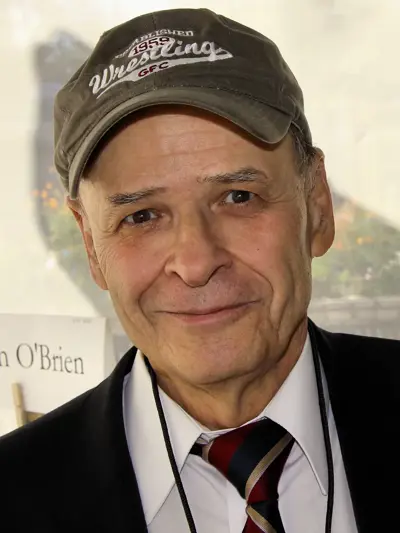
William Timothy O'Brien is an American novelist. He is best known for his book The Things They Carried (1990), a collection of linked semi-autobiographical stories inspired by O'Brien's experiences in the Vietnam War. In 2010, The New York Times described O'Brien's book as a Vietnam classic. In addition, he is known for his war novel, Going After Cacciato (1978), also about wartime Vietnam, and later novels about postwar lives of veterans.
