Mahatma Gandhi Quotes
Imperialism is a negation of God. It does ungodly acts in the name of God.
Gandhi, Mahatma. The Collected Works of Mahatma Gandhi. Vol. 25, Publications Division, Ministry of Information and Broadcasting, Govt. of India, 1967, p. 21.


The Newspaper acknowledged that the conquest of Mexico was tantamount to a rape, but the editors were convinced that the Mexicans would be very happy once they were in the American orbit. In almost every case in American history where we invaded and occupied a country, the political leadership, most of Congress, and many American citizens were convinced that American freedom and democracy were so much better than any other form of government that the conquered people would not only welcome the Americans but would voluntarily reorganize their governmental structures to have a democracy. While there were always some people in each country who did feel that way, the majority rarely did, much to American surprise.

The poem was written to urge the United States to annex the Philippines.


There are many who disagree with Say’s claim that the ancient system of colonization produced more friends then the system was at the beginning f the 19th century. Alexander the Great may have been the only large conqueror in world history where the conquered people thought they were better off than before. Certainly the Romans did not make friends, and the French Normans who conquered England were never considered “friends” by the Saxons.

This was published after he had been murdered by the Afrikaner White South African authorities. The text illustrates his pointed criticisms that had so embarrassed and enraged the apartheid government.


That is exactly what happened. The Spanish raped and interbred with the native women in the Americas and it was their offspring who ended up dominating South and Central American societies.


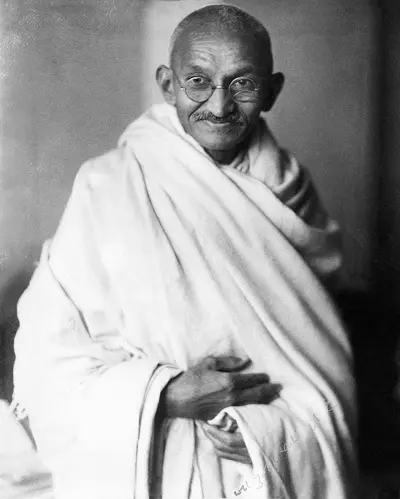
Mohandas Karamchand Gandhi was an Indian lawyer, anti-colonial nationalist, and political ethicist, who employed nonviolent resistance to lead the successful campaign for India's independence from British rule, and in turn inspired movements for civil rights and freedom across the world. The honorific Mahātmā (Sanskrit: "great-souled", "venerable"), first applied to him in 1914 in South Africa, is now used throughout the world.
