Bill Nighy Quotes
I'm not a financial expert. The Robin Hood tax seems to me a very simple and beautiful idea. I don't see the problem.
Nighy, Bill. "Bill Nighy: Why I back the Robin Hood tax." The Guardian, Guardian News & Media, 11 Feb. 2010.


“Profiteers” had two general meanings at the time: First there was the specific set of industrialists who had made large profits out of the First World War. For many it also included capitalists who made large profits.


An income tax had been instituted during the Civil War but had lapsed. Existing taxes were all excise or head taxes—very regressive. Later there was a political movement to bring back the income tax with the intention of taxing all income equally. There was a titanic struggle which culminated in a Constitutional Amendment allowing the income tax. None of the original politicians, for or against, the income tax could never imagine an income tax that would charge lower rates for investment income. That was the entire purpose of the income tax at the beginning—to tax investment (unearned) income. The “capital gains tax” was the creative way of the rich getting back some of what they thought the lost when the income tax was instituted.


Comment made in the Congressional Congress debates in 1787. This precedes individual taxation. In the debate, Wilson felt state taxation “should accord with the number of freemen” as “it is strange that annexing the name of ‘State’ to ten thousand men, should give them an equal right with forty thousand.”
Even on Medieval days in Europe, the wealthy barons paid lower tax rates that their lowest peasants. Relief from taxes was one of the privileges of the very rich. The practice has been made more cosmetic, but the result seems to have been the same into the 21st century.


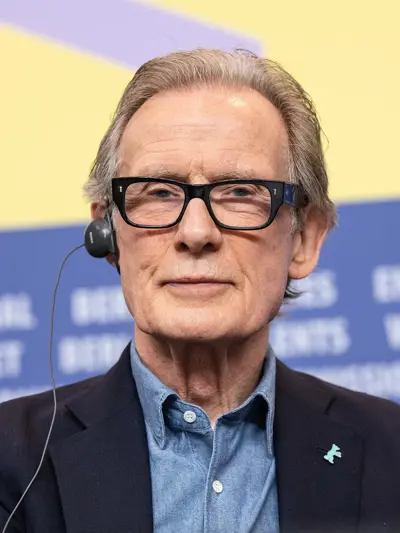
William Francis Nighy is an English actor known for his work in film, stage, and television.
