Michelle Alexander Quotes
If there is any hope that we in America might one day overcome our own history of genocide, slavery, discrimination, and oppression and create a justice system that is truly a source of international pride rather than shame, I suspect Rwanda may have as much to teach us about what is required as any tour of a Norwegian prison.
Alexander, Michelle. The New Jim Crow: Mass Incarceration in the Age of Colorblindness. The New Press, 2010.


The issue of slavery which had been suppressed in Congress for the first decades of the nation broke out when Missouri statehood was considered. By previous agreement, slavery was not even discussed in Congress but the time period elapsed. Tallmadge not only proposed that no more slaves could come into Missouri {613176} but most shocking to the Southerners was that every person born in the new state would be free at the age of 25. In a generation, there would be no more slavery in Missouri and there would be no economic compensation for slave owners at all. The House of Representatives accepted the amendment, but it failed in the Senate. At that time, Senators were not elected by voters but were appointed by the state legislators and the Southern slave states had a disproportionate share of the senate from a population point of view. But what this quotation shows clearly that a majority of the country in 1819 were opposed to slavery and were willing to end it without compensation.

The first anti-slavery newspaper published in the United States & the first journal in America to advocate immediate, unconditional emancipation


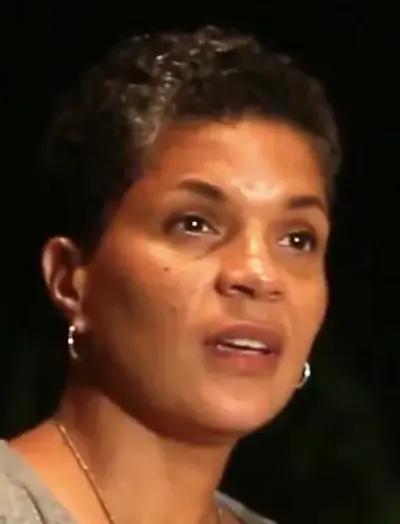
Michelle Alexander is a writer, civil rights advocate, and visiting professor at Union Theological Seminary (New York City). She is best known for her 2010 book The New Jim Crow: Mass Incarceration in the Age of Colorblindness, and is an opinion columnist for The New York Times.
