Martin Luther King Jr. Quotes

King was speaking from a carefully prepared text which did not include the “I have a dream” passage. Jackson, sitting behind the speakers podium, in a loud stage whisper during a pause in King’s speech. King thought for a second or so, pushed is prepared speech aside, gripped both sides of the podium, and launched into what is now considered the iconic phrase of the March on Washington if not the entire civil rights movement, stimulated by the urging of the great singer.

Taft, very progressive on racial matters, was a little too optimistic. The “intelligent” Southerners were in the small minority. Only a week after Taft made this statement, Joseph Gorden, a Negro, was lynched outside Greenwood, Mississippi.


As enlightened and progressive that his views on Blacks were, he was amazingly racist when it came to Native Americans. See {588991}.

The statement was made just before Kenyan Independence was official. His statement was surprising to many people who perceived him as a racist and anti-white. There was a fear that whites would no longer be welcome in Kenya after independence, but Kenyatta’s leadership maintained a pluralistic society.

After signing the Emancipation Proclamation:


He and Mandella were both awarded the Nobel Peace Prize for engineering what was probably the largest transition of power without violence in world history.

Racial intermarriage was the greatest fear of those who opposed integration.
The Quakers were in the forefront of not only the abolition of slavery but of the integration of the races.


As the slavery debate in America became more bitter abolitionists were physically attacked and sometimes killed for their views, 1840 & 1844.


These lines were quoted by W. E. B. Dubois in his The Souls of Black Folk, 1905

This was surprising for a man who owned slaves all his life.
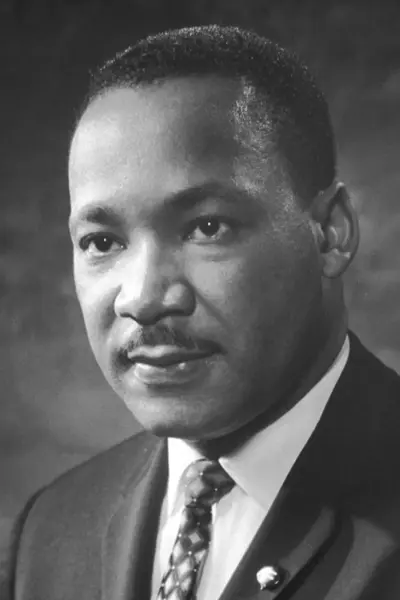
- Born: January 15, 1929
- Died: April 4, 1968
- Nationality: American
- Profession: Clergyman, Activist
Martin Luther King Jr. was an African American Baptist minister and activist who became the most visible spokesperson and leader in the American civil rights movement from 1955 until his assassination in 1968. King advanced civil rights through nonviolence and civil disobedience, inspired by his Christian beliefs and the nonviolent activism of Mahatma Gandhi. He was the son of early civil rights activist Martin Luther King Sr.
