Midrash Quotes
If there be no officer to enforce the Law, of what avail is the judge?
This ancient observation was rephrased most forcefully by Andrew Jackson in his 1832 attack on Chief Justice John Marshall.
Midrash: Tanhuma
Sourced by: Eigen's Political and Historical Quotations

The two law enforcement officers had testified that they arrested demonstrators who had “come to break the law” and had not at that point broken any laws.


Explaining why his Justice Department was arguing in court that abortion protestors who interfere with abortion clinics could be criminally prosecuted. As a rabid abortion opponent, anti-choice people expected him to side with the violent protesters.


The government of Pakistan regarded this as seditious. The Government can fire judges at will and the military has the right to convene its own courts and try Pakistani civilians for certain alleged crimes by removing their cases from the civilian courts. Even when a Pakistani judge is not intimidated by the government or the military, the Islamic extremist fanatics often assassinate any public official who any one of thousands of fanatics feels is anti-Islamic.

Jackson was then a rising young military officer and politician. He had been found guilty of abusing his power to declare and implement martial law. He was a character. He bragged about his “respectful submission” to the law by paying the fine, but ignored the legal violations he committed to be sentenced to the fine.


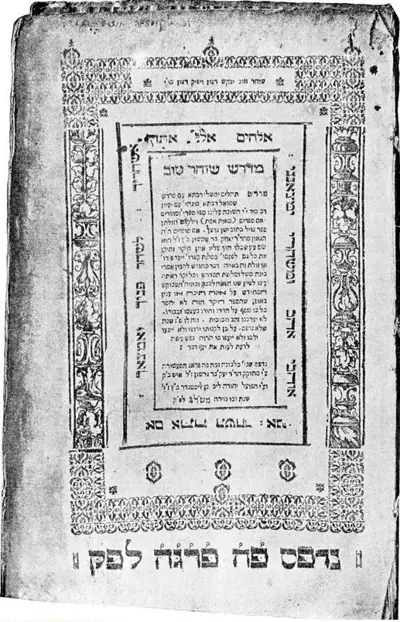
Midrash (/ˈmɪdrɑːʃ/; Hebrew: מִדְרָשׁ; pl. Hebrew: מִדְרָשִׁים midrashim) is biblical exegesis by ancient Judaic authorities, using a mode of interpretation prominent in the Talmud. The word itself means "textual interpretation", "study".
