Robert G. Ingersoll Quotes
As long as we can get redress in the courts, as long as the laws shall be honestly administered, as long as honesty and intelligence sit upon the bench, as long as intelligence sits in the chairs of jurors, this country will stand, the law will be enforced, and the law will be respected.
Ingersoll, Robert G. "Address to the Jury in the Star Route Trial." The Works of Robert G. Ingersoll, Volume 10, Dresden Publishing Co., 1900, p. 468.


He was discussing the military criminal cases ongoing regarding the mistreatment of Iraqi detainees.

The Senator was arguing against a bill to correct an aspect of the immigration law where infants and very young clildren are broght to the United States by parents who entered illegally. The children grow up in the United States—the only country and home that they have ever known. American law required that they be deported to “their countries” which they have no memory of and many do not even speak the language or know the culture. Sessions, is an example of the view that law defines justice. Therefore laws cannot be unjust nor can enforcing the law. Opponents point out that even in the United States we have, in earlier times, “enforced the law” which we came to regret and see as an injustice. The Fugitive slave laws, the Southern racial discrimination laws, and the law allowing Japanese American Citizens to be interned and lose their land during WWII are a few examples of laws, the enforcement of which is seen by most Americans as having been unjust. The execution of “witches” in early America was in conformity with the law.

This quotation shows that “due process” was an important principle for the colonists long before the American Revolution and the Constitution and Bill of Rights. Rights. Connecticut and New York passed similar laws after Massachusetts.


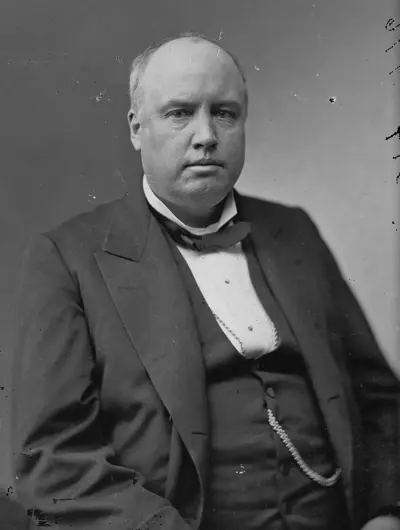
Robert Green "Bob" Ingersoll was an American lawyer, a Civil War veteran, political leader, and orator of the United States during the Golden Age of Free Thought, noted for his broad range of culture and his defense of agnosticism. He was nicknamed "The Great Agnostic". Ingersoll was considered to be the greatest orator and political thinker of his day, but his overt atheistic views curtailed his elected political career.
