Ernestine Rose Quotes
If any difference should be made by law between husband and wife, reason, justice and humanity, if their voices were heard, would dictate that it should be in her favor.
Stanton, Elizabeth Cady, et al. History of Woman Suffrage. Vol. 1, Fowler and Wells, 1881, p. 238.


This is a particularly interesting passage of the Koran. On the one hand it provides the religious justification for the sexist dominance of the male in a marriage. However, at the same time, it gave wives rights at a time when few cultures and religions did--such as the right to own and inherit property. Women in the Western world did not obtain some of these rights until the last hundred years. So historically, Islam was somewhat ahead of Christianity when Muhammed lived, but while most Western interpretations of gender role and rights have changed and advanced, a small minority of Islam has been reformist and modern so Islam has gone from a leader in modern gender relations to an obstacle to equality and fairness by not changing and reforming.


This was more than 30 years earlier than the United States.
The decree prevents a married woman from obtaining a passport without her husbands written approval. The reference to criminals is because the Egyptian Constitution and the United Nations Declaration of Human Rights provides the right of any Egyptian to travel or leave the country except for criminals who have been properly adjudicated.


the legal power automatically then given to a husband over his wife’s body and property

Even in this early era, women had their own property.


The law at that time gave a married woman almost no rights. The husband legally controlled the family assets regardless of who had earned or provided them. He aslo had absolute control of the upbringing of the children. Women could not vote and in many states were considered property of the husband.


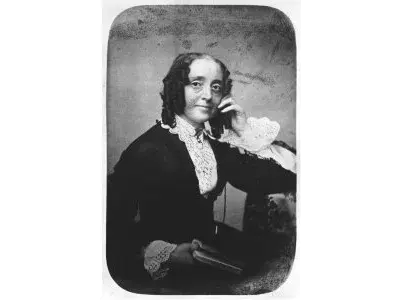
Ernestine Louise Rose was an atheist feminist, individualist feminist, and abolitionist. She was one of the major intellectual forces behind the women's rights movement in nineteenth-century America.
