William H. Seward Quotes
I would sooner attack either of those gentlemen in the open street than consent to oppose any local appointment they might desire to make in their respective states.
There was a norm that Cabinet members had the prerogative of Appointments in their own states. Senators still have such influence.
William H. Seward, 1801-1872, Governor of New York (Whig), U.S. Senator (Whig & Republican, NY), U. S. Secretary of State, Letter to Abraham Lincoln, 1861
Sourced by: Eigen's Political and Historical Quotations


a posh upper-class private club joined by most Conservative politicians

Senator Conkling was the Republican Leader of the Republican Party and a party boss of the old school. Hays was a reformer, especially about appointments where he generally tried to pick the most meritorious candidate instead of the party loyalists desired by Conkling. There was (and still is) a tradition in the Senate that the Senators from the state of residence of any Presidential appointment had a veto of any Federal appointments in the state. Conkling, in addition to being the party leader, was the senior senator from New York and wanted two party loyalists for the jobs. Hayes appointed the better qualified men and decided to fight for the nomination of his candidates, but expected tha Conkling was strong enough to assure that the Senate would not confirm Hayes’ New York appointments. See {622341} for the outcome.


This quotation illustrates a political phenomenon that used to be common in American politics—the spoils system where government activities, positions, contracts and grants were awarded to the supporters of the winning party and not to the opponents. In modern times government contracts were supposed to have been awarded on the basis of qualifications and price and not conditioned on political support. In this rare quotation, the secretary admitted to violating his own Department’s regulations and using politics as a criteria where existing laws prohibited that.


Reacting to criticism that political appointees were being given civil service jobs toward the end of an administration:


Some Democrats had been making personal attacks on Herbert Hoover, Baruch a Democratic supporter was outraged and put a stop to much of it. His letter to Hoover is the high water mark in the ethics and methods of Presidential campaigning. 80 years later, there was a Republican Presidential Nomination contest in which there was almost no content other than personal attacks on the other candidates interspersed with personal attacks on the incumbent President. It was one of the low points of Presidential campaigning.

The state senator had voted to override his own party governor's veto of a popular solid waste disposal project. The governor retaliated by withdrawing nominations for appointments in the senator's district.


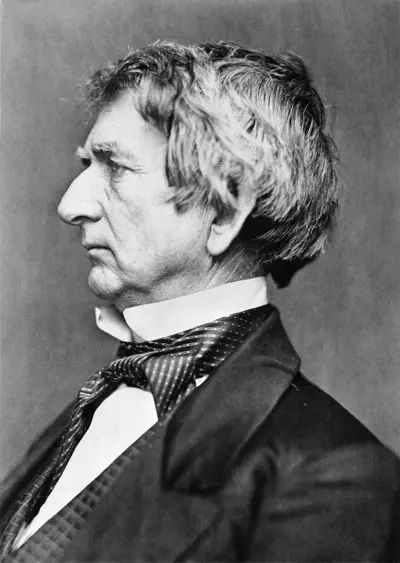
William Henry Seward was United States Secretary of State from 1861 to 1869, and earlier served as governor of New York and as a United States Senator. A determined opponent of the spread of slavery in the years leading up to the American Civil War, he was a prominent figure in the Republican Party in its formative years, and was praised for his work on behalf of the Union as Secretary of State during the Civil War.
