Harriet Jacobs Quotes
I WAS born a slave; but I never knew it till six years of happy childhood had passed away.
Jacobs, Harriet A. Incidents in the Life of a Slave Girl. Published for the Author, 1861, p. 11.


Indian and Black slaves were outlawed very early in Connecticut, not on moral grounds of concern for the Indians and Blacks, but because of the negative effects on the white poor. Why would anyone pay the poor any more than the amortization costs of a slave? Therefore there was no way a poor white could make a living wage if slavery were to coexist.


Contrast this view with that of Union General Ulysses S. Grant.


Brown was the richest man in Rhode Island and made much of his money in the slave trade. This quotation shows that slavery was not completely a North verses South split. Northerners like Brown for whose family Brown University was named, was as virulent supporter of slavery as the most ardent Southerner.


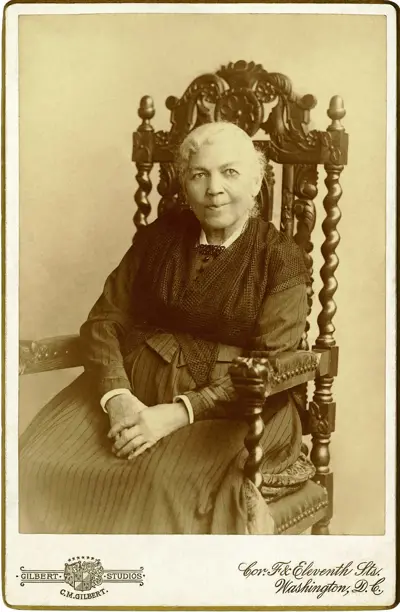
Harriet Jacobs was an African-American writer, whose autobiography, Incidents in the Life of a Slave Girl, published in 1861 under the pseudonym Linda Brent, is now considered an "American classic". Born into slavery in Edenton, North Carolina, she was sexually harassed by her enslaver. When he threatened to sell her children if she did not submit to his desire, she hid in a tiny crawl space under the roof of her grandmother's house, so low she could not stand up in it. After staying there for seven years, she finally managed to escape to the free North, where she was reunited with her children Joseph and Louisa Matilda and her brother John S. Jacobs. She found work as a nanny and got into contact with abolitionist and feminist reformers. Even in New York, her freedom was in danger until her employer was able to pay off her legal owner.
