Dick Gregory Quotes
I used to get letters saying, 'I didn't know black children and white children were the same.'
Gregory, Dick. Callus on My Soul: A Memoir. Longstreet Press, 2000.


This quotation was one of the major reasons Carswell was rejected by the Senate.

Jessie Helms was his young assistant who drafted this race baiting ad. There are two vicious but subtle aspects to this kind of attach ads. First, not that the ad does not address the problem of white men working along side of blacks. It only refers to wives and daughter. This interracial sex innuendo played on and increased the fear of whites that Blacks would commonly rape white women. The second nasty aspect of the ad is the specific attack on the opponent. Instead of saying that he favored desegregation, the phrase “mingling of the races” was used which implied that Graham was in favor of biracial intermarriage and children—again another sex innuendo. When integration of the workforce finally occurred in the South, there was no increase in Black men sexually assaulting white women. There has been a substantial increase in racial intermarriage however as racial bigotry has diminished in America.


As enlightened and progressive that his views on Blacks were, he was amazingly racist when it came to Native Americans. See {588991}.


There are few people today who could believe that a United States senator would castigate the head of a Federal Agency for spreading “racial equality propaganda.” But at the time—1943—the actions of Education Commissioner John W. Studebaker and his Assistant took remarkable courage.

This widely publicized statement by Mr. Ethridge was made when he was a member of the President's Committee on Fair Employment Practices during the hearings of this Committee at Birmingham, Alabama.

This was passed AFTER segregated schools had been outlawed by the Supreme Court in Brown v. Board of Education and the 1964 Civil Rights Act had been passed.


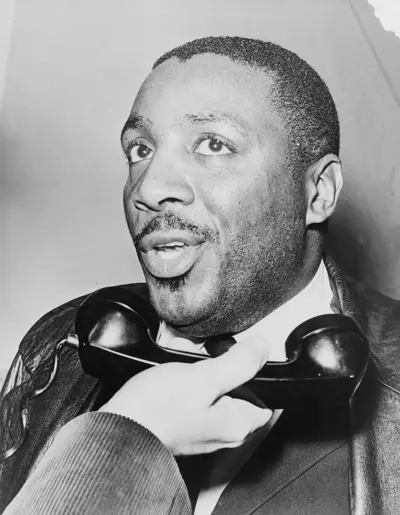
Richard Claxton Gregory was an American comedian, civil rights and vegetarian activist. His writings were best sellers. Gregory became popular among the African-American communities in the southern United States with his "no-holds-barred" sets, poking fun at the bigotry and racism in the United States. In 1961 he became a staple in the comedy clubs, appeared on television, and released comedy record albums.
