Henry L. Stimson Quotes
I told him that my own opinion was that the time now and the method now to deal with Russia was to keep our mouths shut and let our actions speak for words.
Stimson, Henry L. Diary entry, 15 May 1945. The Henry Lewis Stimson Diaries, Manuscripts and Archives, Yale University Library.

He was discussing the conflict in the Ukraine between keeping their historical economic relationships with Russia and being more involved with Europe and the West. He observed that the Ukraine has been for centuries not only and integral part of Russia but played a huge role in the Russian Revolution of 1917. Kissinger urged Ukraine independence and relations with both Russia and Europe and not making the Russians feel that they have little or no influence over what was not very long ago a critical part of their country.


Kennan was talking about the Russians, but the same principle seems to hold with any autocratic government and in some cases even democracies. However, the tradition of secret diplomacy with no transparency is established even in many democracies. Great Britain and France, for example conduct most of their diplomacy in secret as do less democratic governments and tyrannies. They expect us to keep negotiations confidential, which causes American diplomats to be torn between the American view of transparency and the tradition of confidentiality.


There were many who thought that the Russians would view the Mutual Security Act as aggressive and they might respond with some kind of aggressive retaliation and this could lead to war. Others felt that containment would reduce the likelihood of war.

With promises the success lies in following through and keeping the promise which is usually very costly. A threat that fails meanwhile can be the most expensive thing. We make a threat to deter a foreign power from something. Failure occurs when they are not intimidated and go ahead anyway. Then if we follow through on the threat, that is very costly—a war, a trade embargo, or whatever. Not following through on the threat is the costliest of all as we lose our credibility, trust and honor.


When there is a serious problem with another country and it appears that military force may have to be used, he and most sophisticated policy makers argue that we should always try diplomacy first. If that does not work, then the military option is still open. If it does work, war or other military action is always available as an option. When politicians do not want to try diplomacy, it is usually that they have an ulterior motive for war and/or military force. Some urge caution with this principle in all cases as sometimes it gives the enemy time to regroup and rearm and he gets stronger by stringing out the negotiations with no intention of a diplomatic solution. In some other cases, as Iran in the second decade of the 21st century when they were suspected of developing a nuclear weapon. The Israeli right wing and some American conservatives wanted no delay in use of military force as that might allow the Iranians to complete an operational message. President Obama and most Americans favored strong economic sanctions with diplomacy first.

By the standards of the rest of the world the North Korean policies and actions were at the time irrational and inconsistent and explained in a manner which defied any norms that any other nation’s leaders could understand and explain.


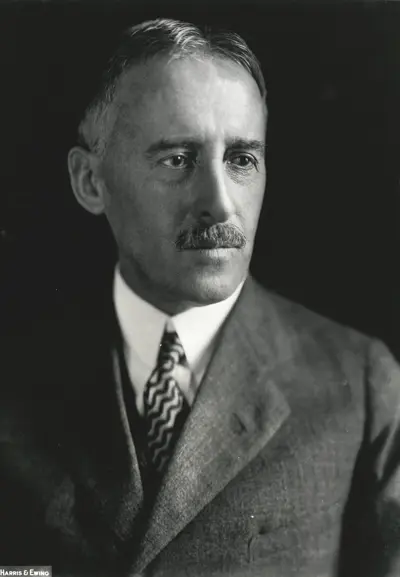
Henry Lewis Stimson was an American statesman, lawyer, and Republican Party politician. Over his long career, he emerged as a leading figure in U.S. foreign policy by serving in both Republican and Democratic administrations. He served as Secretary of War (1911–1913) under President William Howard Taft, Secretary of State (1929–1933) under President Herbert Hoover, and Secretary of War (1940–1945) under Presidents Franklin D. Roosevelt and Harry S. Truman.
