Joan van der Capellen tot den Pol Quotes
I think that in the eyes of the nation we both can and will oppose the whole aristocratic party and when the time comes, we shall do it openly … and eventually bring the whole affair into the open.
Holland was then controlled by a monarch and an aristocracy. He and his nephew were major figures in a revolution several years later.
Joan van der Capellen tot den Pol, 1741-1784,, Dutch Nobleman & Republican Revolutionary Patriot, Political Writer, Letter to his Nephew—van der Marsch, 1783
Sourced by: Eigen's Political and Historical Quotations

When the Republican leadership in 2008 stated that the Republican’s primary objective was to prevent the re-election of Barack Obama, it was not the first time that American politicians admitted that their major objective was to cripple an administration. This quotation shows a very early example. See {592642} for Adams view of Senator Randolph.

Claude-Henri de Rouvroy. He had married a Dutch Countess and settled in Utrecht so he knew the situation in Holland well. The Dutch Revolution was very much like the American Revolution in the it pitted one half of the establishment against the other.

Harding, not the most historically knowledgeable of American Presidents, had forgotten the revolutionary origin of the United States or its drastically experimental nature. It was the fear of Communism and the Russian Revolution that gave revolution a bad name at the time.


A month later the people revolted against the Communist Party and Ceausescu and his wife were executed.


This was published after he died.

This was the group that decided who was to be executed in the Reign of Terror


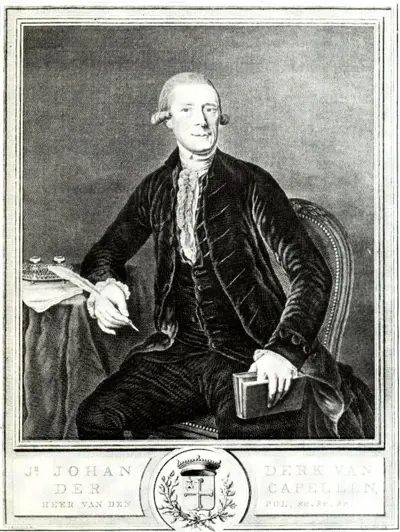
Joan Derk, Baron van der Capellen tot den Pol was a Dutch nobleman who played a prominent role in the revolutionary events that preceded the formation of the Batavian Republic. As a member of the Patriots and inspired by the American Revolution, he wrote the noted pamphlet Aan het Volk van Nederland ("To the People of the Netherlands"), pleading for a more liberal society and the end of the Stadtholder regime, which had been marked by corruption and nepotism. He was also an ardent supporter of the legal recognition of the recently created United States of America.
