Potter Stewart Quotes
I shall not today attempt further to define the kinds of material I understand to be embraced within that shorthand description [hard-core pornography]; and perhaps I could never succeed in intelligibly doing so. But I know it when I see it
Potter Stewart, 1915-1985, U. S. Supreme Court Justice (Republican), Concurring Opinion, Jacobellis v. Ohio, 378 U.S. 184, 1964
Sourced by: Eigen's Political and Historical Quotations


Refusing to overturn a lower court's ruling that pornographic magazines were lot legally obscene in the light of the Supreme Court definition depending on community standards.


For many years, the English Customs Service would prevent books and other literature from being brought into the country if the authorities thought that they were seditious or unwholesome. The right to publish and the right to read was stronger for locally produced sedition or pornography than for imported where there were severe restrictions until recently. America had similar restrictions at the time.

Often misquoted as ‘utterly without redeeming social value.’


The sexism and classism in these few lines is a classic of the censorship literature.
As Prosecutor in the obscenity trial for Lady Chatterley's Lover:


Ingersoll was considered to be the greatest orator and political thinker of his day, but his overt atheistic views curtailed his elected political career.


The increasing popularity if inexpensive paperback books resuting from new technology and publishing styles stimulated this concern. In this case, not only books censored for indecent content, but books were censored if their covers even suggested that the contained indecent content. And of course there was no definition of “indecency”. The result was a massive censorship of books in Ireland.


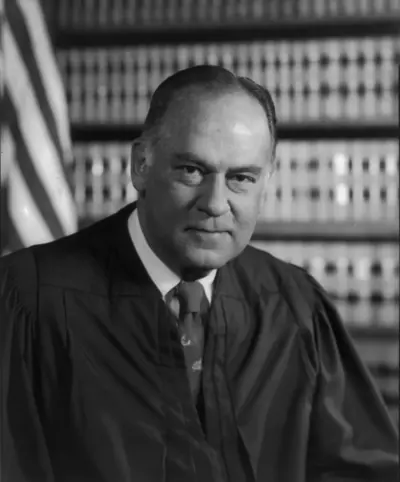
Potter Stewart was an American lawyer and judge who served as an Associate Justice of the United States Supreme Court from 1958 to 1981. During his tenure, he made, among other areas, major contributions to criminal justice reform, civil rights, access to the courts, and Fourth Amendment jurisprudence.
