Arnold Bennett Quotes
Apropos of the agitation for abolishing the Censor in England, it occurred to me that not even the advocates of freedom seek to justify the free treatment of sexual matters in any other than a high moral-pointing vein. The notion that sexual themes might allowably be treated in the mere aim of amusement does not seem to have occurred to anybody at all.
Arnold Bennett, British Dramatist & Actor, Diary, October 31, 1907
Sourced by: Eigen's Political and Historical Quotations


The editorial was in response to Congressional hearings held by J. Parnell Thomas of the House Un-American Activities Committee whereby Hollywood producers and directors were questioned about their political beliefs.

Often misquoted as ‘utterly without redeeming social value.’


While Lawrence is known for having his books banned, in 1928 some of his paintings were banned in London. He wrote this poem of protest.

This principle was incorporated into American law by the Supreme Court 1964 decision in Sullivan v. New York Times, where this argument drove the opinion.


The justices as a result viewed the ostensibly pornographic films.


The Red Scare had affected much of the country. Congressman Thomas was the Chair of The House Un-American Activities Committee which had frightened much of the country claiming that the Communists had infiltrated the government. But when facts and proof were demanded, they came up with some workers in the Hollywood film industry who had gone to communist meetings and some who had joined the party before the War when The Great Depression was still plaguing the country. The Hollywood and TV executives caved in to the political demagogues and fired and blacklisted not only the communists but those who refused to testify. The actors and musicians could not work for several years until the country came to its senses, but the screenwriters wrote under false names. At least one Academy award was won that way.

The evils of the time were even worse than in modern times. Most newspapers, journals, and periodicals were in 1835 actually owned and operated by political parties or people totally identified with political parties. In modern times, there are publications and blogs which are controlled by political forces, but most are not.


Twenty year prison sentences were imposed for publishing left wing Bolshevik literature. The case was appealed to the Supreme Court:
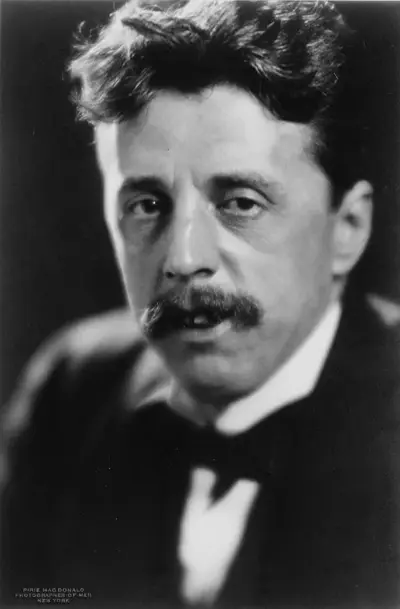
Enoch Arnold Bennett was an English author, best known as a novelist. He was a prolific writer: between the start of his career in 1898 and his death he completed 34 novels, seven volumes of short stories, 13 plays (some in collaboration with other writers), and a daily journal of more than a million words. He wrote articles and stories for more than 100 different newspapers and periodicals, worked in, and briefly ran, the Ministry of Information in the First World War, and wrote for the cinema in the 1920s.
