William H. Seward Quotes
I shall be nominated on the next ballot.
This is one of the great erroneous predictions of American political history. He was not nominated on the second ballot. Nor on the third; Lincoln was
William H. Seward, 1801-1872, Governor of New York (Whig), U.S. Senator (Whig & Republican, NY), U. S. Secretary of State, Statement to his followers during the Republican Presidential nominating convention, 1860
Sourced by: Eigen's Political and Historical Quotations


World War I veterans had been promised bonuses for their service, but Congress and the President would not deliver. The economy was terrible and thousands of veterans came to Washington, set up a camp in Anacostia, and asked for help and their bonuses. Hoover had given orders to General Douglas MacArthur to remove the protesters from government buildings, but MacArthur, establishing a pattern that he would follow throughout his career, exceeded he orders and chased the protesters all the way back to their tent camp and then destroyed the camp. The Great Depression was raging and the protesters had no other place to live, and Hoover opposed any direct federal aid to the poor and needy making the Depression even worse. The public reaction was shock and anger. Hoover, however, demonstrating political character and integrity, took the responsibility and did not blame MacArthur. It was the nail in Hoover’s political coffin. Roosevelt easily won the election.

Abraham Lincoln was the only third party candidate to win the presidency in U.S. history. However, when he was nominated, there was little conviction among Republicans that a third or fourth party could actually win:. Lincoln's primary opponent, William H. Seward


Describing Republican Senator Robert M. La Follette, 1924 Progressive party candidate for President:


He was a liberal Republican in an era where the Republican paty was controlled by arch conservatives, the Tea Party extremists, and evangelical Protestants while Gullani was divorced, a Catholic, and lived openly with a woman to whom he was not married. He supported a woman’s right to abortion and gay rights.


Responding to criticism of his flamboyant personal lifestyle:

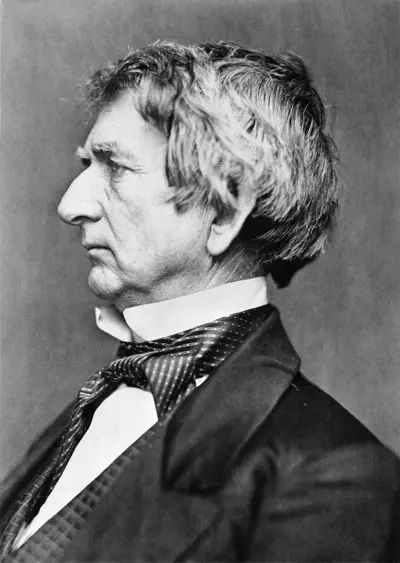
William Henry Seward was United States Secretary of State from 1861 to 1869, and earlier served as governor of New York and as a United States Senator. A determined opponent of the spread of slavery in the years leading up to the American Civil War, he was a prominent figure in the Republican Party in its formative years, and was praised for his work on behalf of the Union as Secretary of State during the Civil War.
