Cetshwayo Quotes
I love the English …. I am the child of Queen Victoria. But I am also King in my own country and must be treated as such. Somsteu must speak gently to me. I shall not bear his dictation … I shall perish first.
“Somsteu” was the name the Africans gave to Theophilus Shepstone, 1817-1893, British Colonial African Administrator.
Cetshwayo, ~1826-1884, King of the Zulus, Statement to British Missionary Robert Robertson, 1876
Sourced by: Eigen's Political and Historical Quotations


The actress was in Jordan and was requested for a command performance before King Hussein. She was told to curtsey when she was introduced to the King.


1st Duke of Wellington. The King was somewhat delusional, and there is no historical records of his ever having personally fought in the Napoleonic wars at all. This quotation has often been nominated for the most tactful in history.


If men's minds were as easily controlled as their tongues, every king would sit safely on his throne
Spinoza’s ideas were considered so radical and dangerous that he was the only man in history who was excommunicated by the Catholics, the Jews and the Muslims.


She was Queen of Scotland and claimed the English throne as well. While Elizabeth I was on the throne of England, Mary claimed that the court had no jurisdiction over an absolute monarch. Her son was in France at the time but eventually succeeded to the Scottish throne as James VI and the English throne as James I.


Frederick the Great


This quotation reflects the Spinoza view that the individual is supreme in determining truth.


Windsor was the Kings palace and the King felt that was all he really controlled.

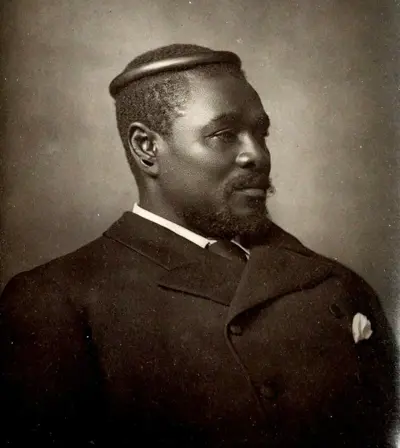
Cetshwayo kaMpande was the king of the Zulu Kingdom from 1873 to 1879 and its leader during the Anglo-Zulu War of 1879. His name has been transliterated as Cetawayo, Cetewayo, Cetywajo and Ketchwayo. Cetshwayo consistently opposed the war and sought fruitlessly to make peace with the British, and was defeated and exiled following the Zulu defeat in the war. He was later allowed to return to Zululand, where he died in 1884.
