CETSHWAYO
(Cetshwayo kaMpande)
The whites had come to South Africa by sea—English and Dutch. Many settled at the Southern Shore—Capetown area. The Dutch Boers however were more interested in farming and commerce and moved North taking land from the natives who sparsely populated the interior of the land. At the same time the aggressive and sophisticated Zulus came from the North. Like the Boers, they were after land and seized it from the natives. It was inevitable that the two conquering, land grabbing groups would run into each other. The English had had a number of wars with the Zulus, but the English were not real competitors with the Zulu for land. So when England annexed the Tranvaal area, the Zulus were pleased as the English would control the Boers and the Zulus did not have to be contesting every bit of ground. However, the Boers and the English split over the English restricting the Boers from seizing native and Zulu land (which the Zulus had seized just like the Boers). The Boer War resulted, and to this day the Zulus and the native Black tribes are more comfortable with the South Africans of English extraction than those who are in the Boer community.
It was the beginning of the Zulu War.
“Somsteu” was the name the Africans gave to Theophilus Shepstone, 1817-1893, British Colonial African Administrator.
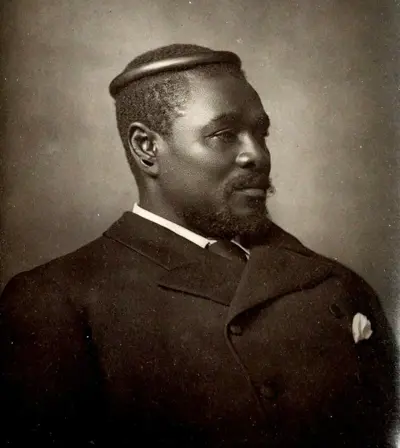
Cetshwayo kaMpande was the king of the Zulu Kingdom from 1873 to 1879 and its leader during the Anglo-Zulu War of 1879. His name has been transliterated as Cetawayo, Cetewayo, Cetywajo and Ketchwayo. Cetshwayo consistently opposed the war and sought fruitlessly to make peace with the British, and was defeated and exiled following the Zulu defeat in the war. He was later allowed to return to Zululand, where he died in 1884.
