Harry Harlow Quotes
I have been married twice, but both of my wives have been too bright to be sucked in by women's lib.
Harlow, Harry F. Interview by Carol Tavris. "Harry, You Are Going to Go Down in History as the Father of the Cloth Mother." Psychology Today, vol. 6, no. 11, Apr. 1973, pp. 65-77.


This relatively radical viewpoint regarding equal rights for women was expressed by Roosevelt as his Senior thesis at Harvard in 1880. In those days, the kind of scrutiny of everything a candidate ever wrote or said that is characteristic of modern politics, did not exist. It is very doubtful that if the Republican Party officials had ever known that he had espoused these views—even as a young student, that he ever would have risen so high in the party, much less get nominated at the Vice Presidential candidate which was his entree to the Presidency. When in office however, there is no record of him reviving his youthful proposal that women who marry retain their maiden names.


Schafly is an inveterate anti-feminist who has made statements like these on the quotation throughout her career. There are no feminists who agree that their objectives include what Shafly claims they are. And feminists do not urge sexual promiscuity. They do urge that women have the same right to sexual promiscuity as men. In some cultures women’s adultery can be grounds for divorcing her and her losing her rights to her children, and in Muslim cultures death by stoning is the consequence. However, adultery on the part of the male has few if any legal consequences. When feminists object to that patent differentiation, they do NOT advocate that women commit adultery, but that the law treat men and women equally and fairly.


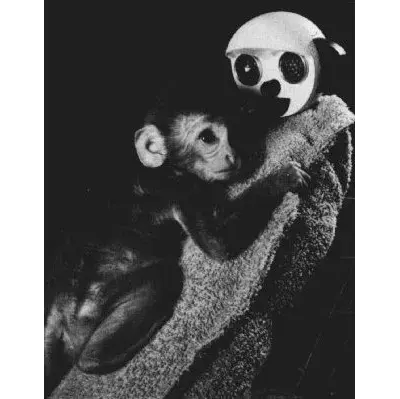
Harry Frederick Harlow was an American psychologist best known for his maternal-separation, dependency needs, and social isolation experiments on rhesus monkeys, which manifested the importance of caregiving and companionship to social and cognitive development. He conducted most of his research at the University of Wisconsin–Madison, where humanistic psychologist Abraham Maslow worked with him for a short period of time.
