Martin Luther King Jr. Quotes

King was speaking from a carefully prepared text which did not include the “I have a dream” passage. Jackson, sitting behind the speakers podium, in a loud stage whisper during a pause in King’s speech. King thought for a second or so, pushed is prepared speech aside, gripped both sides of the podium, and launched into what is now considered the iconic phrase of the March on Washington if not the entire civil rights movement, stimulated by the urging of the great singer.


Having endured centuries of near slavery and discrimination, 70,000 Irish people signed this petition urging American-Irish immigrants to understand the similar plight of African-Americans and to join together with abolitionists. Irish immigrants were nevertheless reluctant to join the abolition movement because the movement was often tied to anti-Catholicism and many feared that the emancipation of Blacks would increase competition for the low-paying jobs immigrants held.


This was actually a very courageous statement for an American politician running for national office. As a result of the pressure of this statement President Franklin Roosevelt allowed Black enlistment in the Army Air Forces.


The great contralto singer, Marian Anderson, an African American, had been refused by the Daughters of the American Revolution the use of Constitution Hall as a venue for her concert based on their White Performers Only policy. First Lady, Eleanor Roosevelt, resigned in protest from the DAR and she and the President asked Secretary Ickes to arrange a public concert at the Lincoln Memorial and he did. There was no Civil Rights Act at the time.

He was not too far off on religious discrimination, but quite overoptimistic on racial discrimination.
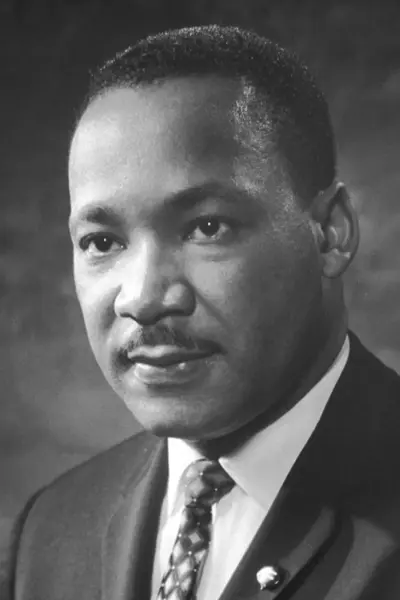
- Born: January 15, 1929
- Died: April 4, 1968
- Nationality: American
- Profession: Clergyman, Activist
Martin Luther King Jr. was an African American Baptist minister and activist who became the most visible spokesperson and leader in the American civil rights movement from 1955 until his assassination in 1968. King advanced civil rights through nonviolence and civil disobedience, inspired by his Christian beliefs and the nonviolent activism of Mahatma Gandhi. He was the son of early civil rights activist Martin Luther King Sr.
