Said Nursi Quotes
I can live without bread, but I can't live without freedom.
Nursi, Bediuzzaman Said. Emirdag Letters. Translated by Şükran Vahide, Sözler Publications, 1997, p. 19.


Also carved on her tombstone at Fayetteville, New York


A few weeks after the Japanese sneak attack on Pearl Harbor, Japan invaded the Philippines and occupied the country. They thought that because of the original American occupation and some American war crimes in the American Philippines War, the people would welcome Japan, thinking that Japan had freed them from the United States domination. However, by that time, most of the Filipinos had become pro American and despite many posters like this one, the Japanese were hated by almost all of the Filipinos for their atrocities were much worse than the worst of the American army at the turn of the century. The American outrages were committed by a minority of the soldiers and officers while the Japanese atrocities were universal and institutional.


This Proclamation was issued upon arrival of the British occupying imperial army in present day Iraq. The English policy makers like the Bush administration almost a century later were expecting a more welcoming reaction. See {585250}.


Also inscribed inside the pedestal of the Statuary of Liberty.


One of the great ironies is that she had absolute power over everyone in the Russian empire and serfdom was entrenched in Russia. However, she was far more enlightened than the Russian rulers who preceded her.

The Kandahar region of Afghanistan was occupied by the Persians under Gurgin Khan. The Persians at the time were Shiite Muslims while the Afghans were Sunnis. Gurgin Khan forced all the Sunnis to convert to become Shia under threat of death. Mirwais Hotak led a force of freedom fighters, and defeated the Persians, killing Gurgin Khan in the process. There were some Afghan people who by collaborating with the Persians had done very well for themselves. They were anxious about their liberator and some were thinking about sneaking away and joining up with the Persians. He then made this speech, remarkable for any time, and especially so at the early 18th century. Notice, that unlike most other peoples of the Middle East, the Afghan’s placed a high value on freedom, and were willing to fight for it. In that sense, Afghanistan was culturally and politically different from the rest of the Islamic world.

This newspaper was an English language organ published by General Allenby’s British and Allied forces in the Middle East. Prior to the war, the Middle East was all part of the Ottoman Empire. However, the Ottoman Turks sided with Germany in WWI and their Middle East dominions were targets for the allied military strategy.


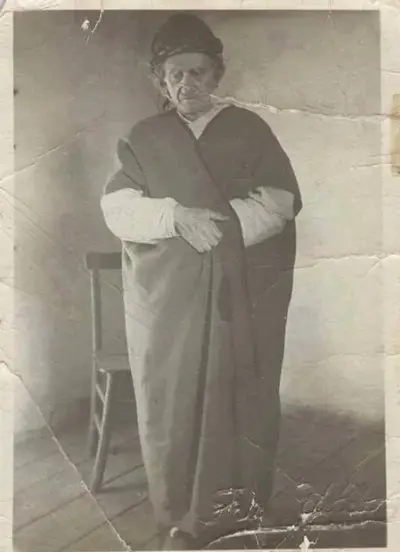
Said Nursi, also spelled Said-i Nursî or Said-i Kurdî and commonly known with the honorific Bediüzzaman (meaning "wonder of the age"), or simply Üstad (meaning "master") was a Kurdish Sunni Muslim theologian who wrote the Risale-i Nur Collection, a body of Qur'anic commentary exceeding six thousand pages. Believing that modern science and logic was the way of the future, he advocated teaching religious sciences in secular schools and modern sciences in religious schools. Nursi inspired a religious movement that has played a vital role in the revival of Islam in Turkey and now numbers several millions of followers worldwide. His followers, often known as the "Nurcu movement" or the "Nur cemaati".
