David Lynch Quotes
I always loved smokestack industry, and I love towns or cities that have grown up around factories.
Rodley, Chris, editor. Lynch on Lynch. Faber and Faber, 1997, p. 15.


Ford, an inveterate racist and anti-Semitic in his old age was very liberal when he first started and accomplished so much. He not only hired foreigners, but also some men of his initial workforce were handicapped. He was proud of the fact that jobs could be created on his concept of an assembly line that was so specialized that handicapped people could be productive workers as they did not have to do everything in the manufacturing process. Since the assembly line did the moving, men who had trouble walking could sit and be very productive at some tasks. Further, Ford did not try and pay his assembly line workers less than the going wage because their skills could be much narrower. He actually doubled the salaries (see {642361}) and picked men who were not wed to the older, traditional way of manufacturing things. The productivity came from the engineering of the cars and the assembly line, not be cutting wages, a practice that he did not continue as he grew older and tried to make his money the traditional way of exploiting the workers more. When the other auto companies had recognized the union, the elder Ford would not.


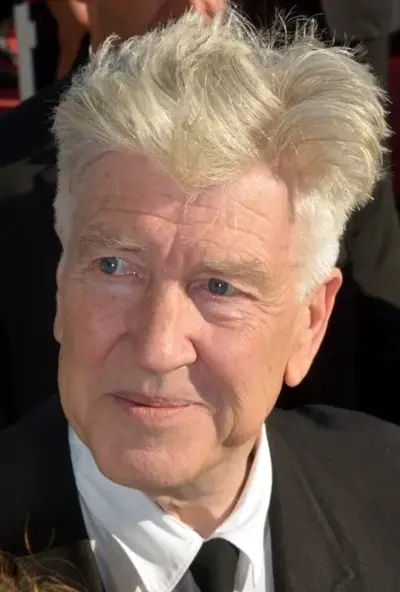
David Keith Lynch is an American filmmaker, painter, visual artist, musician, writer and occasional actor. A recipient of an Academy Honorary Award in 2019, Lynch has received three Academy Award nominations for Best Director, and the César Award for Best Foreign Film twice, as well as the Palme d'Or at the Cannes Film Festival and a Golden Lion award for lifetime achievement at the Venice Film Festival. In 2007, a panel of critics convened by The Guardian announced that 'after all the discussion, no one could fault the conclusion that David Lynch is the most important film-maker of the current era', while AllMovie called him "the Renaissance man of modern American filmmaking". His work led to him being labeled "the first popular surrealist" by film critic Pauline Kael.
