Katori Hall Quotes
'Hurt Village' is based on a real housing project in Memphis, about three minutes away from the Lorraine Hotel where Dr. King was assassinated, so in my work I'm focusing on a very specific area in Memphis. I see 'Hurt Village' as a natural extension of 'The Mountaintop.'
Hall, Katori. "Playwright Katori Hall Takes On 'Hurt Village'." Interview by Michel Martin. NPR, National Public Radio, 15 May 2012.


Kennedy was initially very opposed to a civil rights march on Washington and seemed very annoyed to the Blacks in attended. But when faced with the reality of the fact that the March was going to take place and he could not prevent it, he turned around and did everything he could do to protect the marchers and enable the historic event.

The Georgia flag with the Confederate flag inset was adopted by the legislature in 1956 during the civil rights struggle. The Governor called for legislation bringing back the old flag.


Reconstruction was the period in the South after the Civil War. The change that emancipation brought to the white South was traumatic, and there was a constant struggle between those who wanted the Blacks to be integrated into Southern Society—and those Southerners who wanted to create a society that would be as close to slavery as possible, So the Klu Klux Klan and other terrorist organizations formed and with lynching and other intimidation, much of the initial progress of Reconstruction was rolled back and did not get reinstated until the Civil Rights and Voting Rights Acts were passed in 1964.


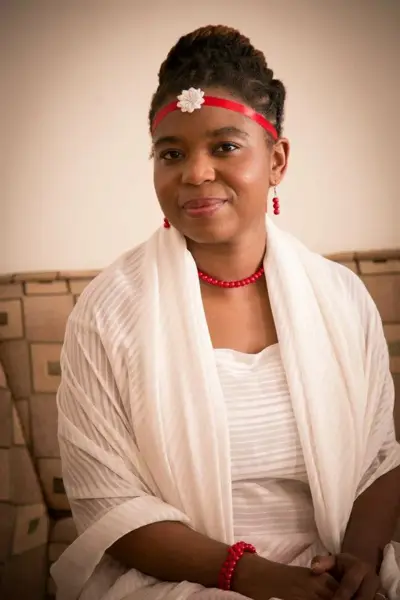
Katori Hall is an American activist, playwright, journalist, and actress from Memphis, Tennessee. Hall's best known works include Hurt Village, Our Lady of Kibeho, Children of Killers, and The Mountaintop.
