John Doar Quotes
For a black student to work in southwest Mississippi for example - or in the Delta in 1960, 1961, 1962 - was high-risk work.
Doar, John. Interview by Blackside, Inc. Eyes on the Prize: America's Civil Rights Years (1954-1965), 11 Nov. 1985, Washington University Libraries, Film and Media Archive.


Vladimir Lenin. In their quest for world revolution, the Russian Communists had more problems with arguments in the United States whose reforms and economy had produced a very high standard of living. They knew that to effect a revolution, they had to reach the middle class and the intellectuals. They had little economically to attack America with but they were able to attack the United States morally. Even though segregation was legal in America at that time, many Americans thought it immoral. Most of the rest of the world did also. So that was one of the attack points. Since the communists opposed U. S. racial segregation, many Southern segregationists used a perverted logic and accused everyone who opposed segregation of being a communist. In addition to racial segregation, the Communists attacked other forms of discrimination such as anti-Catholic, anti-Asian, and anti-Semitic (See {638737} ) behavior.


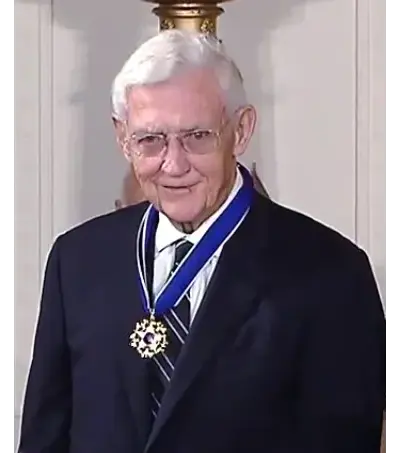
John Michael Doar was an American lawyer and senior counsel with the law firm Doar Rieck Kaley & Mack in New York City. During the administrations of presidents John F. Kennedy and Lyndon B. Johnson, he served first as Deputy Assistant Attorney General for Civil Rights from 1961 to 1965, and then as head of the division from 1965 until 1967. He led the government's response to events such as the admission and protection of James Meredith, the first black student admitted to the University of Mississippi, as well as the evolving response to the civil rights movement promoting integration and voter registration in the South. Additionally, in 1973–74, he served as the lead special counsel for the U.S. House Judiciary Committee's impeachment inquiry staff during the impeachment process against Richard Nixon.
