Charles Evers Quotes
We've begun to put fear into those whites who think they can do anything they want to a black person and get away with it.
Evers, Charles. Evers. Edited by Grace Halsell, World Publishing, 1971.


Instead of standing and saluting as professional athletes have done for decades before games, he kneeled and refused to stand. This caused great public criticism but also some initial support. He was potentially risking his multimillion dollar salary as this technically violated his contract to avoid anything embarrassing to the team. He also donated $1 million to programs in the area that were working to enhance Black/white understanding. Even those who disagreed with his choice of protest defended his right to do so, and after the initial furor, public opinion, while not in agreement about his method, tended to support him for having the courage of his convictions and using his celebrity for a worthy cause. After sensing the public opinion, his team matches his $1 donation. Professional athletes both in the NFL and in other sports then began to do the same as a form of protest for the large, disproportionate, number of black men who were killed, mostly when unarmed, by police. The reference to the “paid leave” was the practice followed by most police departments—usually required by collective bargaining agreements with police unions—of placing police officers accused of committing violations of laws or regulations on paid administrative leave while all the investigations, hearings, and other processes . While this practice protected the rights of those police officers who were not guilty, it ended up paying brutal murders for a some time entire their case was decided or acted upon be the district attorney.


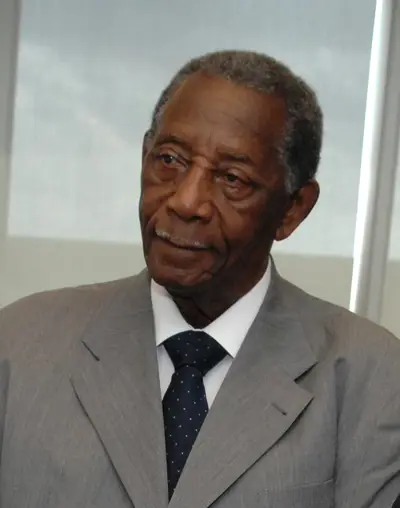
James Charles Evers was an American civil rights activist, businessman, disc jockey, and politician. Evers was known for his role in the civil rights movement along with his younger brother Medgar Evers. After serving in World War II, Evers began his career as a disc jockey at WHOC in Philadelphia, Mississippi. In 1954, he was made the National Association for the Advancement of Colored People (NAACP) State Voter Registration chairman. After his brother's assassination in 1963, Evers took over his position as field director of the NAACP in Mississippi. In this role, he organized and led many demonstrations for the rights of African Americans.
