Peter Drucker Quotes
However illusionary the beliefs and doctrines of traditional European Socialism, it reflects therefore genuine social and political tensions.
Peter Drucker, Management Expert, The New Society, 1949
Sourced by: Eigen's Political and Historical Quotations


The extreme left wing revolutionists were counting on a continuing of the Great Depression’s pattern of lowering the average standard of living to produce a revolution and a downfall of capitalism in America. They saw Roosevelt and the New Deal as the element that could prevent the radical change so they opposed the President and his programs. However, when Russia needed the material support of the capitalist countries for its fight with Nazism, the Party line changed and Roosevelt was no longer attacked by the communists but was actively supported. Communists became “patriotic” all of a sudden.

Opposition to the Bolsheviks


Saloth Sar Pol Pot. His view was that any small merchant or tradesman running a business was a capitalist, and all educated were enemies of the people. He moved entire populations out of the cities into the countryside where they would live as peasants or be murdered as about 20% of the entire population as. Therefore, in his warped view, the capitalists could no longer “control” Cambodia.


He was a major critic of Socialism but he did acknowledge that the Socialist Movement had made major contributions.

Vladimir Lenin. While Lenin was of this view, Stalin and other hard liners disagreed. They not only imposed their brand of communism on their own people via force with terrible consequences for any dissidents, but the Soviet Army imposed Communism on most of the states of Eastern Europe, and those states in turn used their Armies and secret police to impose it on their own citizens.
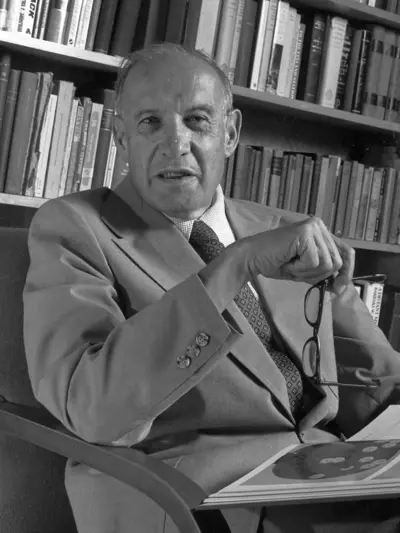
Peter Ferdinand Drucker was an Austrian management consultant, educator, and author, whose writings contributed to the philosophical and practical foundations of the modern business corporation. He was also a leader in the development of management education, he invented the concept known as management by objectives and self-control, and he has been described as "the founder of modern management".
